Understanding Muscle Loss After 40: The Silent Health Change Every Woman Should Know About
Written by Rania Jaber, MPH, MSc in Global Health.

Have you noticed that everyday activities, such as climbing stairs, carrying groceries, or getting up from a chair, seem a little more challenging than they used to be? While it's easy to blame these changes on getting older, they may actually be linked to a gradual loss of muscle mass and strength.
Age-related muscle mass loss affects both men and women. However, women are at higher risk during the menopausal transition. As estrogen and progesterone levels decline during perimenopause and menopause, muscles become less efficient at repairing and maintaining themselves. Over time, this can accelerate muscle loss and reduce muscle strength and function.
Muscle mass shrinks with age. It naturally begins to decline around the age of 30 to 35, with the rate increasing after 60. This process varies from person to person and is influenced by lifestyle factors, particularly physical activity and nutrition. People who are inactive and do not participate in regular physical training tend to lose more muscle than those who remain physically active.
In this article, you will learn what sarcopenia is, its symptoms, causes, and risk factors, why menopause can accelerate muscle loss, and practical, evidence-based strategies to help prevent or manage it.
Please note: the information in this article is intended for educational purposes only and should not replace the advice of a health care provider.
What Is Muscle Loss (Sarcopenia)?
Muscle loss, medically known as sarcopenia, is the progressive loss of muscle mass, function, and strength that occurs with aging. While some muscle loss is expected over time, sarcopenia goes beyond normal aging and can make everyday activities increasingly difficult.
People with sarcopenia may notice that simple tasks such as climbing stairs, carrying shopping bags, getting up from a chair, or walking long distances require much more effort than they once did. As muscles become weaker, the risk of falls, fractures, and loss of independence also increases.
The good news is that sarcopenia is not an inevitable consequence of aging. Although age is the strongest risk factor, regular resistance training, adequate protein intake, good nutrition, and healthy lifestyle habits can slow its progression. In many cases, improve muscle strength and function.
Why Is Maintaining Muscle Mass Essential for Our Health?
The role of muscles in the body is far more than movement. Skeletal muscles are the largest organ in the body by mass and play a vital role in overall health. Healthy muscles help:
Regulate blood sugar levels by regulating the uptake of glucose from the bloodstream and using it for energy by body cells.
Support healthy metabolism.
Maintain balance, posture, mobility, and coordination.
Preserve strength and independence in everyday activities.
Support bone health and reduce the risk of fractures.
Protects the pelvic floor by supporting pelvic organs, improving core stability, and contributing to bladder control and sexual function.
Maintaining muscle mass throughout adulthood, and especially during and after menopause, is one of the most effective ways to support long-term health, mobility, and quality of life.
What Are the Symptoms of Muscle Loss ( sarcopenia)?
Sarcopenia often develops gradually, making it easy to overlook in its early stages. Many people assume that feeling weaker is simply part of getting older, but persistent muscle weakness or declining physical performance should not be ignored. Common symptoms of sarcopenia include:
Muscle weakness.
A noticeable decrease in the size of muscles.
Reduced muscle strength.
Difficulty performing everyday activities such as climbing the stairs, getting up from a chair, and carrying groceries.
Slower walking speed.
Poor balance and an increased risk of falls.
Feeling tired more quickly during physical activity.
If left untreated, these symptoms can gradually affect mobility and independence.
Causes of Muscle Loss
Aging is the primary cause of sarcopenia. That does not mean that every older person will have it. Not everyone develops significant muscle loss, and the rate of decline varies from person to person. Muscle mass and strength begin to decline gradually, with the rate of loss increasing after the age of 60. Research suggests that adults may lose 3%-8% of their muscle mass per decade, with a faster decline later in life.
Several age-related changes contribute to the development of sarcopenia:
The body becomes less efficient in producing enough protein to build and maintain muscles.
A reduction in the number of nerve cells that send signals from the brain to muscle, affecting muscle contraction and movement.
Lower production of hormones involved in muscle growth and repair, such as testosterone, growth hormone, and insulin-like growth factors.
Declining levels of estrogen and progesterone during perimenopause and menopause can reduce muscle repair and recovery.
Increased inflammation associated with aging.
These changes cause muscle fibers to shrink in both size and number. Over time, muscles become weaker, less responsive, and slower to recover after physical activity, leading to reduced strength and mobility.
Risk Factors for Muscle Loss

Along with natural aging, which is the strongest risk factor for sarcopenia, several lifestyle and health-related factors can accelerate muscle loss, including:
Sedentary lifestyle
Physical inactivity is one of the leading contributors to muscle loss. Without regular use, muscles gradually weaken and shrink.
Poor nutrition
Eating too little protein makes it difficult for the body to repair and build muscles. Diets high in ultra-processed foods and unhealthy fats, while low in fruits and vegetables and quality protein sources, may contribute to muscle loss.
Excessive alcohol consumption
Heavy alcohol intake can interfere with muscle protein synthesis, reduce nutrient absorption, and contribute to muscle weakness over time.
Smoking
Smoking has been associated with reduced muscle mass, impaired muscle function, and slower tissue repair.
Being underweight
Unintentional weight loss, particularly without resistance training, often results in loss of both body fat and muscle mass.
Obesity
Although obesity is commonly associated with excess body fat, it can also contribute to muscle loss. Excess body fat increases inflammation and insulin resistance, creating conditions that may accelerate sarcopenia.
Osteoporosis
Osteoporosis and sarcopenia frequently occur together. Osteoporosis is the thinning of bones that makes them fragile. Weaker muscles can increase the risk of falls, while fragile bones are more likely to fracture.
Chronic health conditions
Several chronic diseases can accelerate muscle loss, including:
Heart disease.
Type two diabetes.
Chronic kidney disease.
Cancer.
Chronic inflammatory conditions.
Managing these conditions and maintaining an active lifestyle can help slow muscle decline.
Complications of Muscle Loss
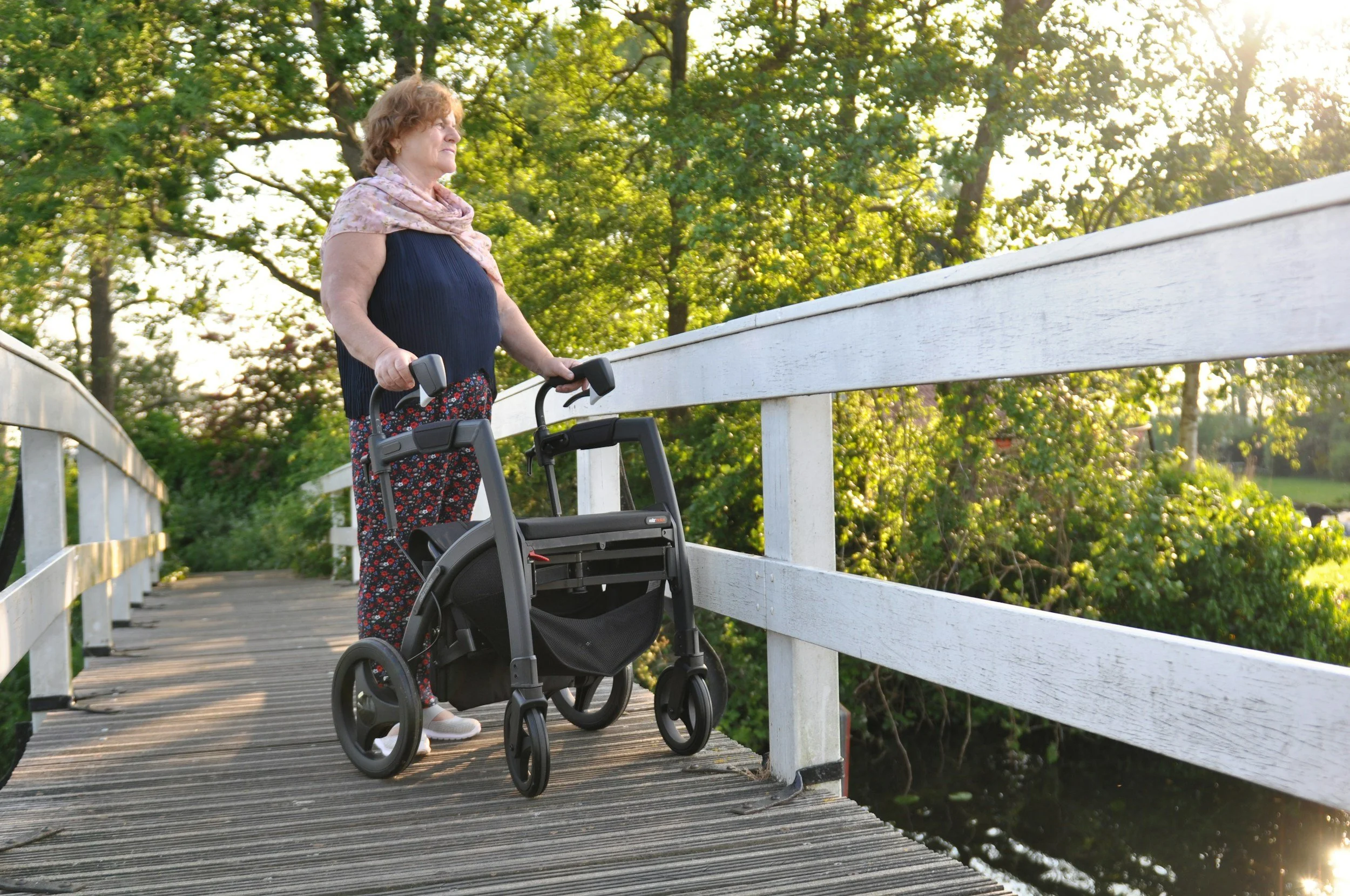
Without appropriate management, sarcopenia can significantly affect health, mobility, and quality of life. Possible complications include:
Frequent falls.
Bone fractures.
Reduced mobility and physical function.
Difficulty performing everyday activities independently and increased reliance on family members or caregivers.
Longer recovery times after illness or surgery.
Higher risk of hospitalization and disability.
Because muscle health affects nearly every aspect of physical function, early recognition and intervention are essential.
The Role of Hormones in Supporting Women’s Muscle Health
Hormones play an essential role in maintaining healthy functioning muscles throughout a woman’s life. They influence muscle growth, repair, recovery, energy production, and overall strength. The main hormones and their function in supporting muscles include:
Estrogen
Estrogen is one of the most important hormones for muscle health. It helps :
Support muscle repair after physical activity.
Regulate inflammation and promote healthy circulation.
Improve muscle metabolism and energy production.
Support collagen production, which helps maintain healthy muscles, tendons, ligaments, and connective tissues.
Progesterone
Although progesterone is best known for its role in the reproductive system, it contributes to muscle health by :
Supporting tissue repair and recovery.
Helping regulate fluid balance within cells.
Working alongside estrogen to support healthy muscle function.
Testosterone
Women naturally produce much smaller amounts of testosterone than men, but this hormone still plays an important role in maintaining muscle mass and strength. As testosterone levels gradually decline with age, building and preserving muscle become more challenging.
Menopause and Muscle Loss

Growing evidence suggests that menopause is associated with an accelerated decline in muscle mass and strength. While aging naturally contributes to muscle loss, the hormonal changes that occur during perimenopause and menopause can speed up this process.
Research has shown that women may experience a noticeable decline in muscle mass during the years surrounding menopause, particularly if they are physically inactive. Studies suggest that women lose a significant amount of muscle during the first few years after menopause. However, the exact amount varies from person to person, depending on overall health and activity level.
The decline in estrogen affects muscles in several ways. They become less responsive to exercise, recover more slowly after physical activity, and are more vulnerable to periods of inactivity. These changes may make it harder to maintain strength, even if body weight remains unchanged. Many women also notice changes in body composition during menopause. Muscle mass gradually decreases while body fat, particularly around the abdomen, increases. This shift can slow metabolism, reduce physical function, and make it more difficult to maintain a healthy weight.
Research suggests that the quadriceps, the four large muscles at the front of the thighs, may be among the most affected muscles from hormonal changes during menopause. These muscles are essential for walking, climbing stairs, standing up from a chair, and maintaining balance. As they weaken, everyday activities can become more challenging, and the risk of falls increases.
Some women also notice symptoms such as:
Feeling their leg tires more easily than before.
Muscle soreness lasts longer after exercise.
Stiffness in the hips and thighs.
Reduced strength despite maintaining the same level of activity.
Feeling less stable when walking or climbing the stairs.
These changes do not mean that muscles are defective or can't be rebuilt. They reflect that the body is recalibrating and responding to hormonal changes during this stage of life.
The encouraging news is that muscles continue to respond to exercise well into older age. Research consistently shows that resistance training remains one of the most effective ways to maintain and even increase muscle mass and strength after menopause. When combined with adequate protein intake, sufficient sleep, and a balanced diet, regular strength training can significantly reduce the impact of age-related muscle loss.
When to Consult Your Healthcare Provider?
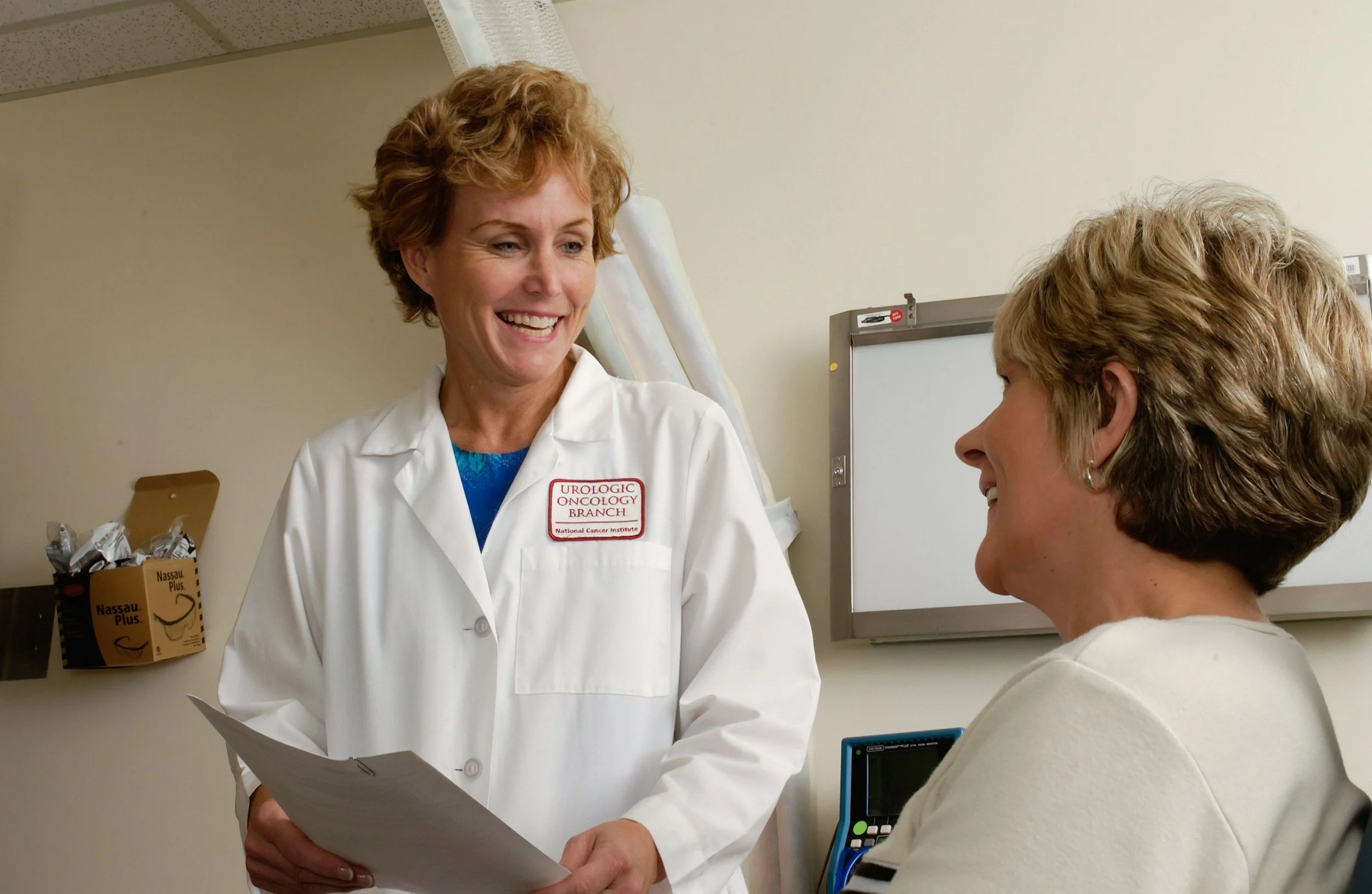
Some muscle loss is a normal part of aging. Persistent weakness or difficulty performing everyday activities should not be ignored.
Speak with your health care provider if you experience:
Ongoing muscle weakness.
Difficulty climbing stairs or getting up from a chair.
Frequent falls or poor balance.
Unexplained loss of muscle mass.
Difficulty carrying out daily activities independently.
Early assessment is important because muscle loss can be slowed or even partially reversed with appropriate treatment and lifestyle changes. Your health care provider can evaluate your symptoms, identify any underlying medical conditions, and recommend a personalized treatment plan based on your age, overall health, and individual needs.
How Is Muscle Loss Sarcopenia Diagnosed?
If your health care provider suspects sarcopenia, they will begin by reviewing your medical history, discussing your symptoms, and assessing your physical function. You may also be asked to complete a simple screening questionnaire called SARC-F, which helps identify people who may be at risk of sarcopenia.
SARC-F assesses five areas:
S: Strength, difficulty lifting or carrying objects.
A: Assistance with walking, difficulty walking across a room or needing assistance.
R: Rising from a chair, difficulty standing up from a seated position.
C: Climbing stairs, difficulty climbing a flight of stairs.
F: Falls, the number of falls experienced during the past year.
The maximum score for this test is 10. A score of 4 or higher suggests an increased risk of sarcopenia and usually indicates the need for further evaluation. To confirm the diagnosis, your healthcare provider may recommend additional tests, including muscle strength assessments and imaging studies.
Tests used for the diagnosis of sarcopenia
DEXA scan
DEXA scan is one of the most accurate methods for measuring body composition. It evaluates muscle mass and measures bone mineral density, making it useful for detecting both sarcopenia and osteoporosis.
Functional performance tests
Your healthcare provider may also assess your physical function using simple tests such as:
Walking speed.
Chair rise (sit-to-stand) test.
Grip strength.
Balance assessments.
These tests help evaluate muscle strength, mobility, and overall physical performance.
Treatment and Management

If you think you may have sarcopenia, speak with your healthcare provider. They can help identify the underlying cause and recommend a personalized treatment plan based on your health, age, and individual needs.
Treatment typically combines regular exercise, good nutrition, and addressing any underlying medical conditions. Recommendations usually include:
Prioritize strength training
Resistance training is considered the most effective treatment for preventing and managing sarcopenia. Exercise using free weights, resistance bands, weight machines, or your own body weight stimulates muscle growth, improves strength, and enhances balance. Aim to perform strength training exercises at least two to three times per week, targeting all major muscle groups. As your strength improves, gradually increase the resistance; this principle, known as progressive overload, helps continue building and maintaining muscles.
Prioritize protein intake

Protein provides the building blocks your body needs to repair and maintain muscle.
Many experts recommend aiming for around 20-35 grams of protein per meal, spread throughout the day. Women need 1-1.5 gm of protein per kg of body weight daily, and older adults are generally encouraged to consume approximately 1.0-1.2 grams of protein per kilogram of body weight per day. Individual protein needs may vary depending on health status and activity level.
Healthy sources of protein include:
Lean meat and poultry.
Fish and seafood.
Eggs.
Nuts and seeds.
Soy products include tofu and tempeh.
Beans, lentils, and other legumes.
Dairy products such as milk, yogurt, and cheese.
Recovery and quality sleep
Exercise builds stronger muscles during the recovery period, not during the workout. Getting enough quality sleep allows your body to repair muscle tissue, regulate hormones involved in muscle growth, and recover from physical activity.
Consider hormonal replacement therapy
For some women, menopausal hormone therapy ( MHT) may help improve muscle function and reduce some of the effects of declining estrogen when used alongside regular resistance training and a nutritious diet. Hormone therapy is not appropriate for everyone. Your healthcare provider can help determine whether it is a suitable option based on your medical history, symptoms, and individual risk factors.
Discuss taking supplements with your healthcare provider
Some people may benefit from supplements, especially if dietary intake is inadequate or a deficiency is present. Depending on your individual needs, your healthcare provider may recommend.
Protein supplements.
Creatine.
Vitamin D.
Omega-3 fatty acids.
Always discuss supplements with your healthcare provider before starting them.
Although sarcopenia is a natural part of aging, its progression can often be slowed, and in many cases, muscle strength and function can be improved.
Final Thoughts

Losing muscle is often viewed as an unavoidable part of aging, but that's only part of the story. While some muscle loss occurs naturally over time, there is a great deal you can do to slow the process and maintain your strength, mobility, and independence.
For women, the years during and after menopause are an important time to focus on muscle health. The hormonal changes that occur during this stage of life can make it harder to preserve muscle mass, but they don't mean muscle loss is inevitable. Regular resistance training, adequate protein intake, good nutrition, quality sleep, and staying physically active remain the foundation of healthy aging. These lifestyle habits can help maintain muscle strength, improve balance, support bone health, and reduce the risk of falls and fractures.
Although menopausal hormone therapy may benefit some women, it should be viewed as one part of a comprehensive approach rather than a substitute for exercise and healthy nutrition.
Remember, it's never too early or too late to start taking care of your muscles. Every strength training session, every protein-rich meal, and every healthy choice is an investment in your future health, independence, and quality of life.
Sources
PMC PubMed Central. Role of Skeletal Muscle in Insulin Resistance and Glucose Uptake
Harvard Health Publishing.Age and Muscle Loss.
UCLA Health. How muscle mass changes after menopause and what you can do.
Herstasis Health Foundation. Menopause Muscle Health.
The PauseLife.Menopause and Muscle Loss: Why Sarcopenia Starts Sooner Than We Thought.
