Understanding Metabolism After 40: What Changes and What Can You Do?
Written by Rania Jaber, MPH, MSc in Global Health.

If you are over 40, you may have noticed that you gain weight more easily and that your old ways of losing it no longer work. You might feel like your metabolism is slowing down, and you're gaining weight in certain areas. You also find it difficult to maintain and build muscle.
While this must be frustrating, the good news is that targeted lifestyle changes can help you support a healthy metabolism, manage your weight, and maintain or gain muscle. This article provides an overview of metabolism and the changes that occur with age, the causes contributing to these changes, and practical ways to improve your health and quality of life.
Please note, this article is intended for educational purposes and doesn't replace medical advice.
What Is Metabolism?
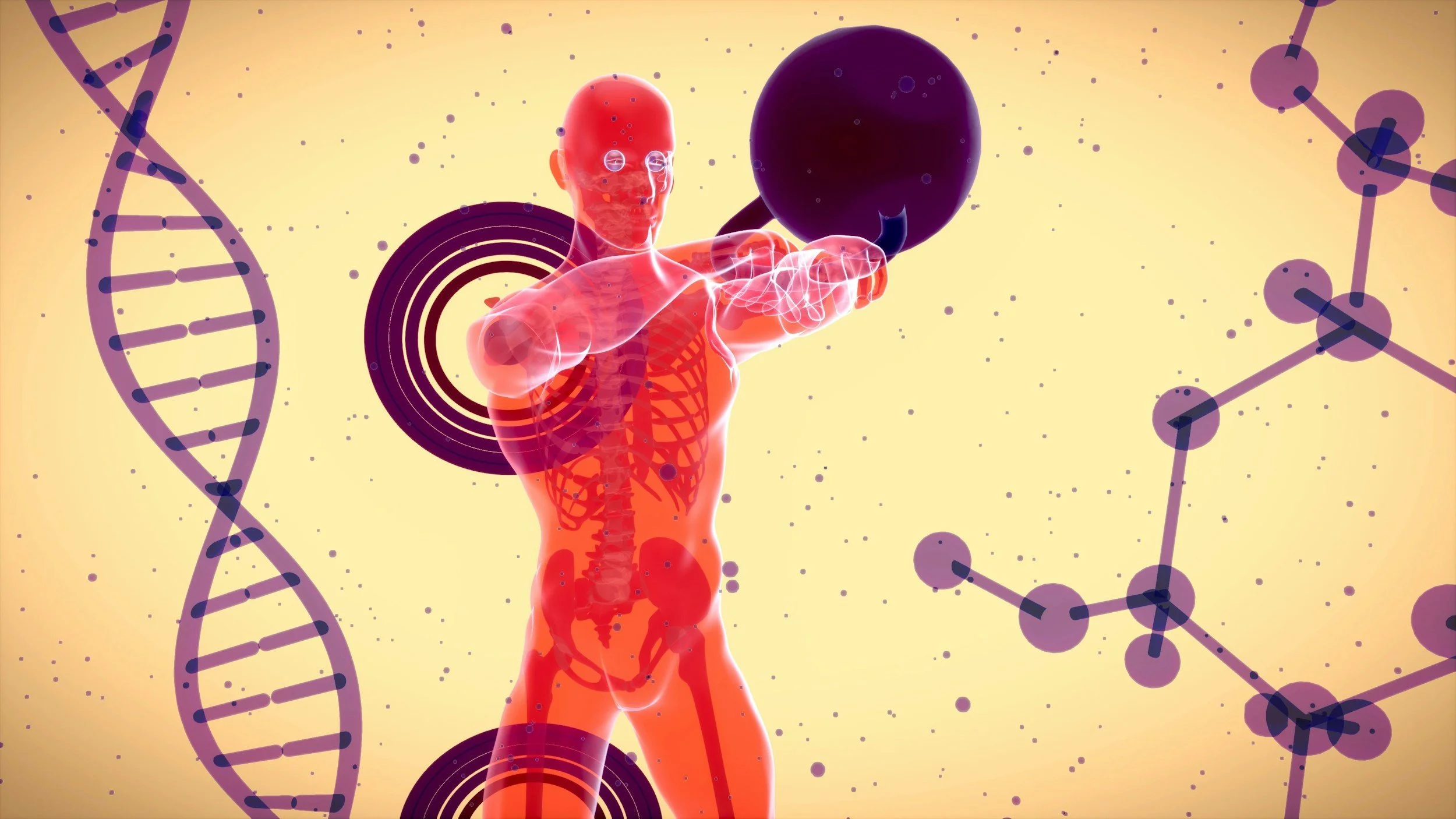
Metabolism is the complex process that your body uses to convert food into energy. This includes:
Digestion and absorption of food.
Transport of nutrients into cells.
Cellular processes that generate an energy source for all body functions, such as circulation, breathing, and body temperature regulation.
Metabolism also involves energy storage as:
Glycogen in the liver and muscles.
Fat in the adipose tissue.
These processes are regulated mainly by hormones released by the thyroid gland. Metabolism is not only about energy use, but it also supports the creation, repair, and renewal of cells and tissues throughout the body. Our metabolism uses energy to sustain our lives and fuel all our activities.
Daily Body Energy Expenditure
Your body uses energy in three main ways:
Resting Energy Expenditure ( REE)
The resting metabolic rate is defined as the minimum amount of energy required by the body in the resting and fasting state. This energy is spent on maintaining basic life-sustaining functions (breathing, blood circulation, body temperature, heartbeat). This accounts for the major energy use and varies based on height, weight, age, sex, and physical activity.
The Thermic Effect of Food (TEF)
The thermic effect of food, also referred to as dietary thermogenesis, is the energy required for the digestion, absorption, and storage of food, which accounts for around 10% of energy expenditure. This amount is reduced by 1% in older adults.
Physical activity
The energy used for all movement, from structured exercise to daily tasks like walking or cleaning.
After 40, many factors affect our metabolic rate. A new workout routine and diet are needed to support metabolism during this stage of life.
How Does Metabolism Change with Age?

It is commonly believed that metabolism slows significantly after 40. However, research shows a more complex picture.
A groundbreaking study published in Science in 2021 found that metabolism remains steady between the ages of 20 and 60. Also, women and men have similar metabolic rates, given that they have the same body size, muscle mass, and physical activity level. This study found that there are three phases of metabolism in human life: childhood until 20 years old, adulthood, and older adults 60 years and older.
The research findings suggest that the metabolic rate is:
Higher during childhood.
Stabilized during adulthood.
Starts to decline after 60.
That means we can't blame all weight gain during midlife on metabolism. The decline starts at 60-65, and it's a slow one. And people have a lower metabolic rate due to:
Reduced muscle mass.
Hormonal shifts.
Lifestyle changes such as reduced physical activity, stress, and poor sleep.
These factors contribute to weight gain and body changes.
Body Changes with Age
As we age, some body changes may affect metabolism, including:
Adipose tissue (body fat)
Also known as fat tissue. It is defined as a connective tissue composed of fatty cells called adipocytes. Its function is to store excess energy in the form of fat, mainly triglycerides, and to release fatty acids to meet energy needs.
Adipose is mainly present in:
Subcutaneous fat in the upper and lower body (fat present under the skin).
Visceral fat (fat in the belly area that surrounds and protects internal organs) and bone marrow.
Fat storage is regulated by hormones such as insulin, glucagon, adrenaline, noradrenaline, and cortisol. The following changes occur with age:
Total body fat increases.
Fat distribution shifts with accumulation in the abdominal area (visceral fat), and progressive loss of peripheral fat (legs and arms).
Excess visceral fat is not good for you; it's linked to an increased risk of conditions such as diabetes, strokes, and heart disease.
Muscle mass
Skeletal muscles are very important for regulating glucose and fat metabolism; the following changes occur with age:
Muscle mass declines.
By age 60, humans will lose around 0.7-0.8 % of their muscle mass per year.
This decline is strongly linked to reduced physical activity. Staying active, specifically resistance training, can slow down the process.
Liver function
The liver plays a major role in body metabolism; the following changes take place with age :
Liver mass and blood volume may decline.
Changes in body fat and hormones can influence liver function.
Factors Affecting Middle-Aged Weight Gain
Several factors affect weight gain after 40, including :
Muscle mass: lower muscle mass leads to lower energy expenditure.
Thyroid function: conditions like hypothyroidism can affect body metabolism. It is important to test blood thyroid hormone levels early to check for subclinical hypothyroidism.
Sleep quality and stress: Proper sleep is crucial for healthy metabolism. Poor sleep and stress raise hunger hormone (ghrelin) and stress hormone (cortisol). This slows down metabolism and favours fat storage.
Hormonal changes: Hormones such as insulin, cortisol, estrogen, progesterone, and testosterone affect metabolism.
Hydration: Water is a metabolic catalyst; adequate water intake supports metabolic processes. The body needs an average of 1.5-2 litres of water daily, adjusting for individual body needs.
Lifestyle habits: reduced movement is a daily contributor to slowed metabolism.
If you experience unexplained weight gain or fatigue, consult your health care provider to rule out other issues such as an underactive thyroid, Cushing's syndrome, or polycystic ovarian syndrome ( PCOS).
Metabolism During Perimenopause
Weight gain starts in perimenopause as women start losing their muscle mass starting in their 30s and continue with the hormonal changes during perimenopause. These Hormonal fluctuations, mainly declining estrogen and progesterone levels, may cause:
Reduced muscle mass.
Redistribution of fat from subcutaneous fat under the skin of the hips and thighs to the belly area.
Changes in appetite and energy levels.
Symptoms that accompany the perimenopausal transition, such as hot flashes, night sweats, mood changes, and irregular sleep, will disrupt metabolism by affecting stress hormone and insulin regulation.
As we mentioned above, lifestyle factors play a crucial role in boosting metabolism and reducing weight gain.
How to Support a Healthy Metabolism After 40?
Lifestyle changes are the most effective in maintaining a healthy metabolism after 40. Individual needs vary, but the following strategies are widely beneficial.
Dietary modifications
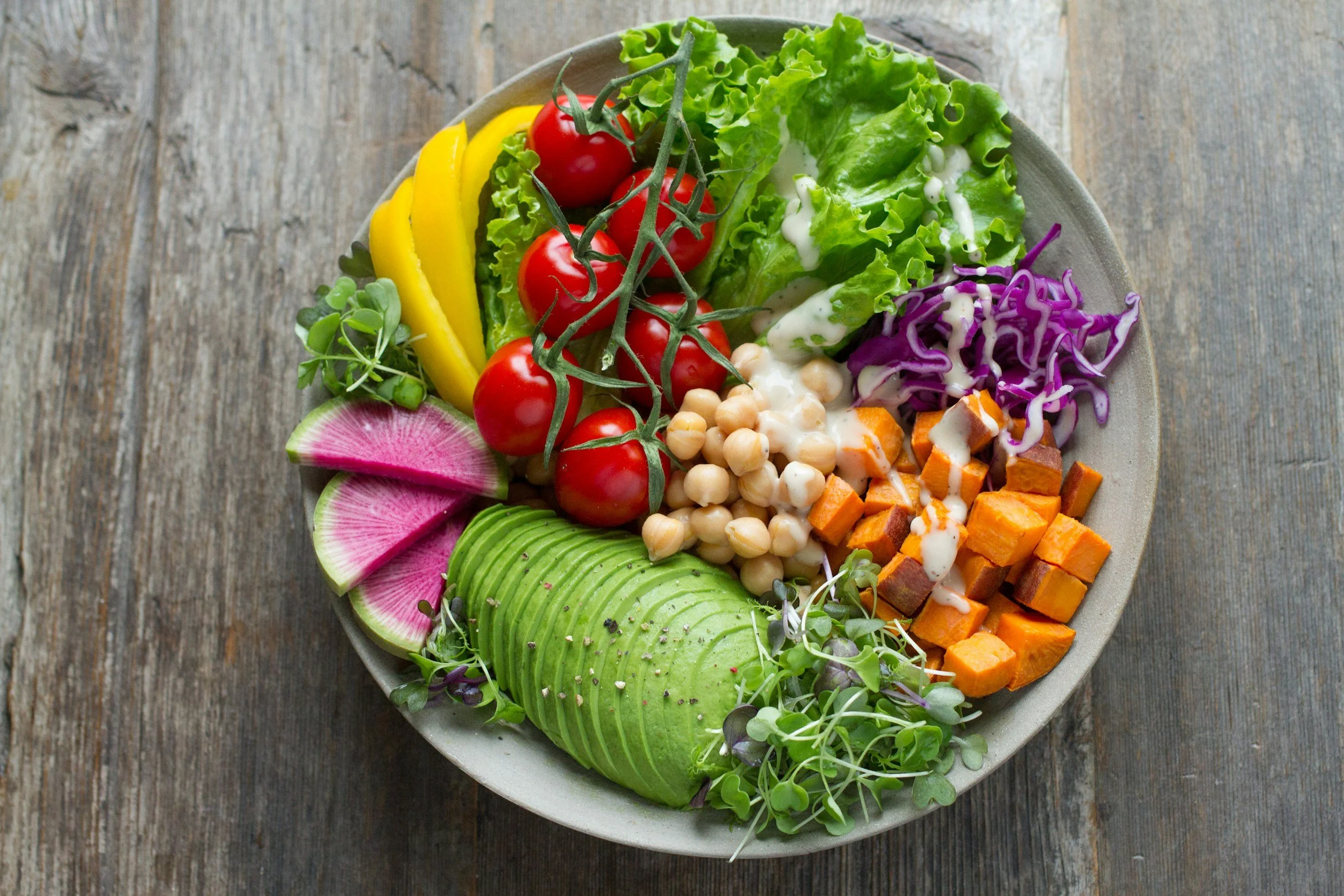
Prioritize protein: protein is so important for keeping your muscle mass as you get older. Women need 1- 1.5 g of protein per kg of body weight daily. Good sources of protein: beef, salmon, chicken, yogurt, eggs, seeds, whey protein, and quinoa.
Eat a balanced diet: Eat plenty of whole foods such as lean meat, whole grains, fruits and vegetables, and avoid highly processed foods full of salt, fat, and sugars.
Avoid extreme dieting: Losing a lot of weight in a short period of time might result in metabolic adaptations, which means that your body will burn less energy at rest (reduced basal metabolic rate). Gradual weight loss does not affect metabolism.
Green tea and spices ( pepper, ginger, turmeric) have some effect on metabolism.
Limit alcohol intake, as it can affect metabolism.
Regular sleep
Adequate sleep helps balance hormones and neurotransmitters and regulate metabolism. Aim for 7-9 hours of sleep per night.
Stress management
Stress management supports hormonal balance. It aids the production of good hormones such as dopamine and prolactin. Chronic stress increases cortisol, the stress hormone, which promotes fat storage, especially in the abdominal area.
Physical activity

Strength training
As muscle mass declines with age, it's important to incorporate weight lifting in your workout routine. Strength training will increase metabolism at rest, as muscles need more energy than fat does at rest. Start a low-impact weight-lifting routine, and you will notice the benefits as you progress. You will feel stronger, burn more calories, and reduce your risk of injury and disease.
Aerobic exercises and daily movement
Aerobic exercises support cardiovascular health and help burn more calories. Regular movement throughout the day, such as walking and standing, is as important as workouts.
Supplements
Some supplements may support metabolism in certain cases, including:
Leucine supplement (for muscle protein synthesis).
Omega-3 fatty acids.
Consult your healthcare provider before starting supplements.
Does Calorie Restriction Help?
Research suggests that moderate calorie restrictions may have health benefits, including:
Increase lifespan and combat diseases such as Alzheimer's ( the mechanism is still unknown).
Allows the body to readjust its metabolism for fewer calories coming in.
On the other hand, extreme restriction can:
Reduce muscle mass.
Lower metabolic rate.
Balanced nutrition is generally more effective long-term.
Vitamins and Minerals that Support Metabolism
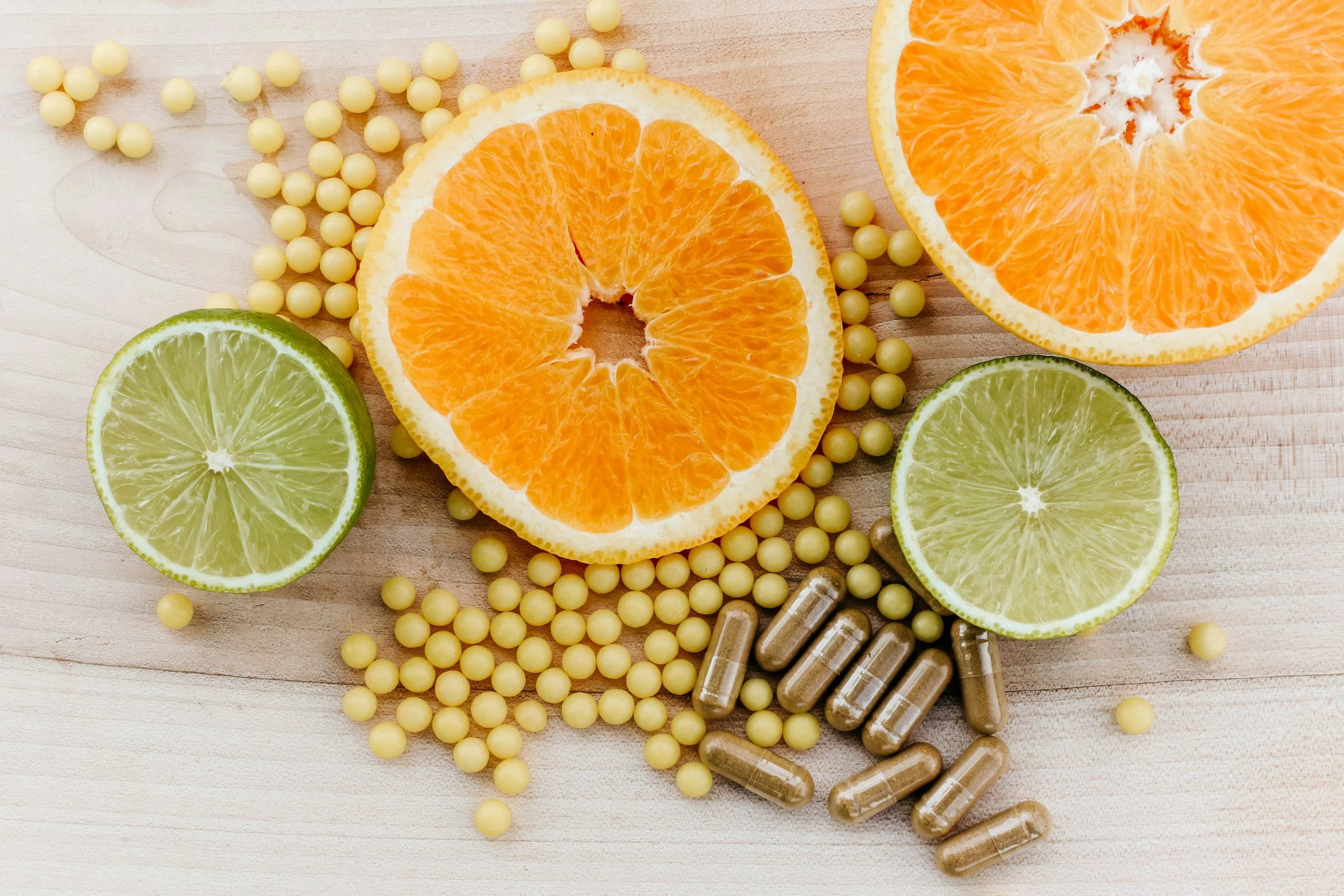
Certain vitamins and minerals can help boost metabolism. Whole foods are the best source of these nutrients:
B vitamins: Support energy metabolism; these include B1, B2, B3, B5, B6, B12, Biotin, and folate.
Vitamin D: It helps regulate blood sugar and insulin resistance. You can get your vitamin D requirement by exposure to sunlight and eating vitamin D-rich food such as egg yolk, beef liver, fatty fish, and cod liver oil.
Calcium: Recent research studies suggest that calcium can play a role in supporting metabolism, regulating blood sugar, and maintaining healthy bones. It is better to get calcium from food rather than supplements. Don't take any supplements without a health care provider's advice, as some research ties them to cardiovascular disease risk. Calcium-rich foods include: green leafy vegetables, milk, yogurt, and fortified foods.
Iron: Essential for oxygen transport to body cells. Main sources: meat, beans, nuts, and fortified cereal.
Magnesium: Essential for many biochemical reactions inside the body. It is found in nuts, seeds, bananas, spinach, whole grains, and potatoes.
Avoid supplementation without medical advice.
Final Thoughts
While it may feel like your metabolism is slowing down after 40, the reality is more complex. Changes in muscle mass, activity levels, hormones, sleep, and stress play a much larger role than age alone.
It is frustrating to gain weight easily and have a hard time losing fat and building muscle after 40. For that, starting early and making healthy lifestyle changes is crucial before these changes take place. The most effective approach is to focus on sustainable, healthy habits:
Stay physically active and prioritize strength training.
Eat a balanced, protein-rich diet.
Get restful sleep and manage stress.
By making these lifestyle changes, you can support a healthy metabolism, improve body composition, and feel more energized throughout midlife and beyond.
Sources
Harvard Health Publishing. Surprising Findings About Metabolism and Age.
WebMD.Visceral Fat: What Is It?
Osmosis from Elsevier. Adipose Tissue · What Is It, Location, Function, and More
Science. Daily energy expenditure through the human life course.
WebMD. How Much Does Your Metabolism Slow Down as You Age?
PMC PubMed Central.Metabolic changes in aging humans: current evidence and therapeutic strategies
My Menopause Center. 10 hacks to combat menopausal weight gain.
Wake Med. Aging and Your Metabolism: The truth about gaining weight and getting older
Medical News Today. Vitamins and minerals for metabolism
Kathleen McFarlane.Why Your Metabolism Changes After 40 And What You Can Do About It
