Understanding Uterine Fibroids: What Are the Risk Factors, Symptoms, and Treatment Options?
Written by Rania Jaber, MPH, MSc in Global Health

Many women live with uterine fibroids without ever realizing they have them. In some cases, fibroids are discovered incidentally during a routine pelvic examination. Others experience symptoms that significantly affect their quality of life, such as pelvic pain, painful periods, heavy menstrual bleeding, and frequent urination.
Uterine Fibroids are very common, affecting around 40-80% of women. They occur mostly during reproductive years, particularly between the ages of 30 and 50. They are uncommon before menstruation begins and tend to become less common after menopause due to declining hormone levels.
Although fibroids are usually non-cancerous, their symptoms can sometimes interfere with daily activities, fertility, pregnancy outcomes, and emotional well-being. Understanding fibroids can help women recognize symptoms early, seek appropriate medical care, and make informed decisions about treatment options.
This article provides an overview of uterine fibroids, including their causes, symptoms, risk factors, diagnosis, treatment options, and lifestyle changes that may help manage symptoms and support overall health.
This information is intended for educational purposes only and doesn't replace professional medical advice.
What Are Uterine Fibroids?
Uterine fibroids are tumors or growths made of smooth muscle cells and other tissues that develop in or around the wall of the uterus (womb). They are the most common non-cancerous tumors affecting women during their childbearing age.
Fibroids can vary in size, number, and location. Some women have a single fibroid, while others develop multiple fibroids growing together in clusters.
What Do Fibroids Look Like?
Fibroids develop from one stem cell in the smooth muscle of the uterus and continue to divide repeatedly, forming a firm, rubbery mass that can grow in size. They are rounded growths that look like smooth, firm lumps. Sometimes they grow attached to the uterus by a thin stem, giving them a mushroom-like appearance.
Fibroids grow at different rates. Some remain very small, others grow larger over time, and some shrink naturally. Fibroids that form during pregnancy often shrink back after delivery as the uterus returns to its normal size.
Fibroids can range in size from as small as a seed to as large as a watermelon. A cluster of fibroids may measure from less than one millimetre to more than 20 centimetres (8 inches) in diameter.
Fibroids are classified according to their location as:
Intramural fibroids: grow within the muscular wall of the uterus.
Submucosal fibroids: bulge into the uterine cavity.
Subserosal: grow on the outer surface of the uterus.
Symptoms of Fibroids
Some women with fibroids experience no symptoms at all, while others may develop symptoms that range from mild to severe.
The most common symptoms include:
Longer or more frequent menstrual periods.
Painful periods and heavy menstrual bleeding.
Pelvic pain or pressure.
Enlarged or swollen abdomen.
Constipation.
Frequent urination.
Lower back pain.
Pain in the stomach area, or pain during sex.
Long-term vaginal discharge.
Fatigue related to excessive bleeding and anemia.
Fibroids may also contribute to reproductive problems, such as increasing the risk of infertility, miscarriage, preterm labour, or increasing the likelihood of cesarean section delivery.
There are rare cases when the fibroids may outgrow their blood supply and begin to degenerate, causing sudden and severe pelvic pain.
The symptoms usually improve or go away after going through menopause as the hormone levels decline.
Causes of Uterine Fibroids
There are no clear causes of uterine fibroids, but several factors were found to play a role in their development, including:
Genetic changes
Many fibroids contain genetic changes that differ from those in normal uterine muscle cells.
Hormones
Female sex hormones, estrogen and progesterone, that regulate the menstrual cycles, were found to stimulate the growth of fibroids.
Growth factors
Substances produced by the liver, which help the body maintain tissues, such as insulin -like growth factor, may affect fibroid growth by promoting cell growth, proliferation, and tissue development.
Extracellular matrix
The extracellular matrix is the material that helps cells stick together. Fibroids contain increased amounts of this material, making them denser and more fibrous.
What Are the Risk Factors for Developing Fibroids?
Several factors may increase the risk of developing uterine fibroids, including:
Family history: if your mother or sister had fibroids, you have a higher chance of getting them.
Race: It was found that African American women are more likely to develop uterine fibroids, many of them earlier in life, with worse symptoms than other races.
Early onset of menstruation before age 10.
Older age, women after 40 are more likely to get fibroids.
No history of pregnancy.
High blood pressure.
Obesity.
Chronic stress.
Vitamin D deficiency.
Food additives.
A diet rich in red meat, processed foods, and added sugars.
Low intake of green vegetables, fruits, and dairy products.
Drinking alcohol.
Some studies have explored possible links between dietary factors and fibroid development, such as soybean milk consumption, although more research is needed.
Lifestyle Habits That Reduce the Risk of Uterine Fibroids

Although there is no guaranteed way to prevent fibroids, certain healthy lifestyle habits may help reduce the risk or improve symptoms. These habits include:
Getting regular exercise.
Eating a balanced diet rich in fruits and vegetables, lean protein, whole grains, healthy fats, and organic produce.
Limiting processed and red meat.
Reducing alcohol intake.
Cutting down on caffeine.
Managing stress through meditation, yoga, or other relaxation techniques.
Getting quality sleep, at least 7 hours per night.
Maintaining a healthy weight.
Having regular pelvic examinations.
Some research suggests that taking hormonal contraceptives or long-acting progestin-only pills may help lower the risk of fibroids. However, individual responses may vary.
Can Fibroids Cause Anemia?
Fibroids can cause anemia due to blood loss from excessive menstrual bleeding. Anemia develops when your body doesn't have enough healthy red blood cells to carry adequate oxygen to tissues and organs.
Women with anemia may experience the following symptoms:
Fatigue and weakness.
Dizziness.
Shortness of breath.
Pale skin.
Fibroids During Pregnancy
Fibroids usually don't interfere with pregnancy. However, in some cases, especially with submucosal fibroids, they may contribute to infertility, pregnancy loss, or complications such as preterm birth.
Some women may also experience increased pain or discomfort from fibroids during pregnancy due to hormonal changes.
Can Fibroids Turn into Cancer?
Fibroids are almost always benign (non-cancerous). Cancerous tumors related to fibroids are extremely rare, occurring in less than 1 in 1000 cases.
Doctors believe that these cancers don't arise from already existing fibroids. Having fibroids doesn't increase the risk of having cancerous fibroids. Women with fibroids don't have an elevated risk of getting other types of uterine cancers.
However, fibroids that continue to grow after menopause should be medically evaluated to rule out rare cancerous conditions such as uterine sarcoma.
When to Seek Medical Help?
If you don't experience symptoms, you may not require treatment. Seek medical advice if you experience any of the following symptoms:
Heavy or painful periods that interfere with your daily life activities.
Passing large blood clots ( larger than a golf ball).
The menstrual bleeding lasts longer than seven days.
Bleeding between periods or having two periods a month.
Persistent pelvic pain or pressure.
Difficulty emptying your bladder.
Fatigue and tiredness related to heavy bleeding and loss of blood cells ( anemia).
Seek urgent health care if you have sudden, severe vaginal bleeding or sharp pelvic pain.
Diagnosis of Uterine Fibroids
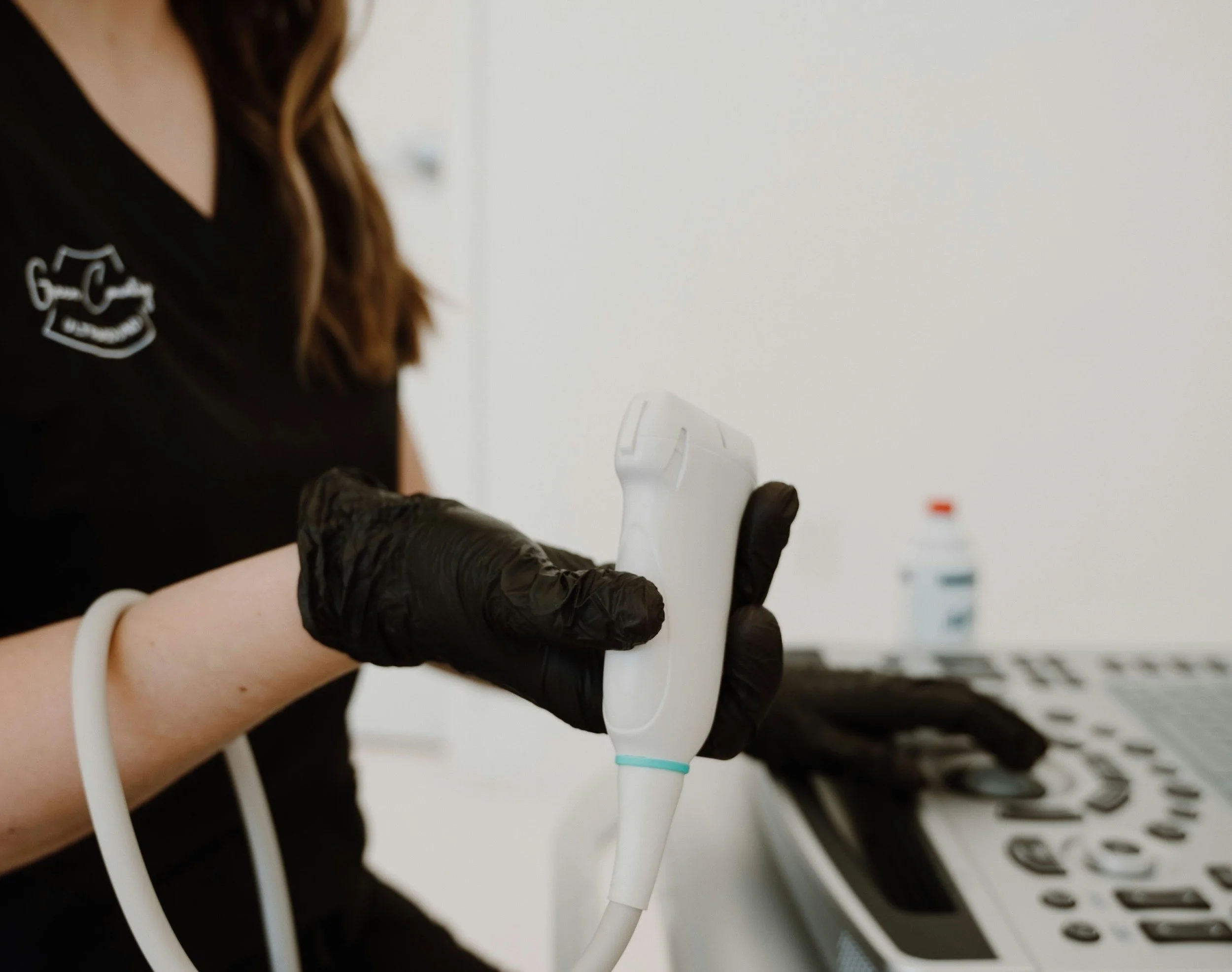
Many women may have fibroids without any symptoms. Fibroids are often discovered incidentally during a routine gynecological examination, when the uterus might feel larger or irregular in shape.
Several imaging tests may be used to confirm the diagnosis:
Ultrasound: uses sound waves to create images of the uterus.
Saline infusion sonography: uses injection of salt solution into the uterus to help improve an ultrasound image.
Magnetic resonance imaging ( MRI): uses magnets and radio waves to create detailed images.
X-rays: use electromagnetic waves to create images.
Computed tomography (CT) scans: provide detailed cross-sectional images of the body using X-rays.
What Are the Available Treatment Options?
Health care providers usually consider different factors before starting treatment, including:
Overall health.
How severe your symptoms are.
The location and size of the fibroids.
Whether you are pregnant or planning to get pregnant in the future.
Your age; for example, if you are entering menopause, your fibroids might shrink on their own.
Women with mild or no symptoms may only require monitoring through regular examination.
Common treatments for uterine fibroids
Treatments for fibroids might include:
Medication

Pain relievers
Over-the-counter or prescription pain medications may help relieve pelvic pain and menstrual cramps.
Hormonal birth control
Birth control pills or other kinds of hormonal contraceptives may help reduce heavy bleeding and painful periods, although in some cases it may contribute to fibroid growth.
Progestin-releasing intrauterine devices ( IUDs)
Hormonal IUDs may help reduce heavy bleeding and pain, but don't treat fibroids. They should be avoided when the fibroids are very large in size, as in some cases, they may cause uterine cavity blockage.
Gonadotropin-releasing hormone agonists
These medications temporarily block estrogen and progesterone production, causing fibroids to shrink. This treatment should be used for a short term before surgery or to help treat anemia caused by heavy bleeding.
Anti-hormonal agents or hormone modulators
These medications can slow or stop fibroid growth, reduce bleeding, and improve symptoms.
Iron supplements
Iron supplements may be recommended for women with anemia caused by heavy menstrual bleeding. Most medications provide temporary symptom relief, and symptoms may return after treatment is stopped. All medications should be taken under medical supervision to avoid harmful side effects.
Surgical treatments
Myomectomy
Myomectomy is a surgical procedure that removes fibroids while preserving the uterus. It may be recommended for women who wish to become pregnant in the future.
Hysterectomy
Hysterectomy is a surgical procedure in which the whole uterus or part of it is removed. It is the only way that treats fibroids completely.
This option may be recommended by a health care provider for women with severe symptoms, very large fibroids, or those nearing or past menopause.
Age and Uterine Fibroids
Fibroids are very common, with approximately 70-80 % of women experiencing fibroids during their lifetime. While it is more common in their 30s and 40s, women in their 20s, although rare, can develop fibroids and experience symptoms, but mostly small and symptom-free.
Fibroids tend to become more noticeable during the 30s. They may reach their peak in terms of size, location, and symptoms during the 40s. As women approach menopause, declining hormone levels often cause fibroids to shrink.
Uterine Fibroid During Perimenopause
The most problematic and symptomatic fibroids tend to peak during your perimenopause. During perimenopause, estrogen hormone levels rise and drop irregularly. These fluctuations may trigger the growth of fibroids and worsen symptoms such as:
Heavy bleeding.
Longer menstrual periods.
Pelvic pain and pressure.
Research suggests that approximately 30% of all fibroids are diagnosed during perimenopause.
Uterine Fibroid after Menopause
Menopause is reached after 12 consecutive months without a menstrual period. During this stage, your ovaries will reduce their production of estrogen or progesterone. In most cases, these hormones that usually feed the fibroids are not there anymore, which causes them to shrink.
The message most women receive is that (if you can wait until menopause, your fibroids will shrink and go away on their own). But not all women can wait because their symptoms are very overwhelming, and some women get to menopause and still have fibroids.
Some fibroids may continue pressing on nearby organs, causing symptoms such as frequent urination, incontinence, and leakage.
Can Fibroids Grow after Menopause?
Although it's rare, fibroids might occasionally continue to grow after menopause because small amounts of estrogen are still produced by fat tissue and adrenal glands. Fibroids that continue to grow after menopause should be monitored and treated to rule out the possibility of developing into cancer, although it is rare for fibroids to develop into cancerous but it should be ruled out.
Final Thoughts

Uterine fibroids are one of the most common conditions affecting women during their reproductive years. While many women experience no symptoms, others may struggle with heavy bleeding, pelvic pain, fatigue, fertility challenges, or symptoms that interfere with their daily lives and emotional well-being.
The good news is that fibroids are usually benign, and a wide range of treatment options are available depending on a woman's symptoms, age, reproductive goals, and overall health. Early recognition of symptoms and regular medical follow-up can help prevent complications and improve quality of life.
Women should feel informed, supported, and empowered to discuss their symptoms openly and seek the care that best meets their individual needs. No woman should feel that severe pain or excessive bleeding is something she simply has to endure in silence.
As Dr. Erica Elizabeth Marsh, professor of Obstetrics and Gynecology at the University of Michigan Medical School, stated:
“While fibroids won't kill you, they can significantly impair a woman's quality of life … Women should feel empowered to ask questions, to get answers, and to stop suffering in silence.”
Sources
University of Michigan, 7 Things to Know About Living With Fibroids.
Fresno Fibroid Center. 4 Risk Factors For Uterine Fibroids.
Harvard Health Publishing. Fibroids: Not Just A Young Woman’s Problem.
WebMD. Uterine Fibroids and Menopause.
Fibroid Institute. How Fibroids Evolve in Your 20s, 30s, 40s, and 50s.
American Family Physicians.Uterine Fibroids: Diagnosis and Treatments.
Mayo Clinic. Uterine Fibroids.
Cleveland Clinic. Uterine Fibroids.
