How to Incorporate Meditation into Your Daily Life?
Written by Rania Jaber, MPH, MSc in Global Health
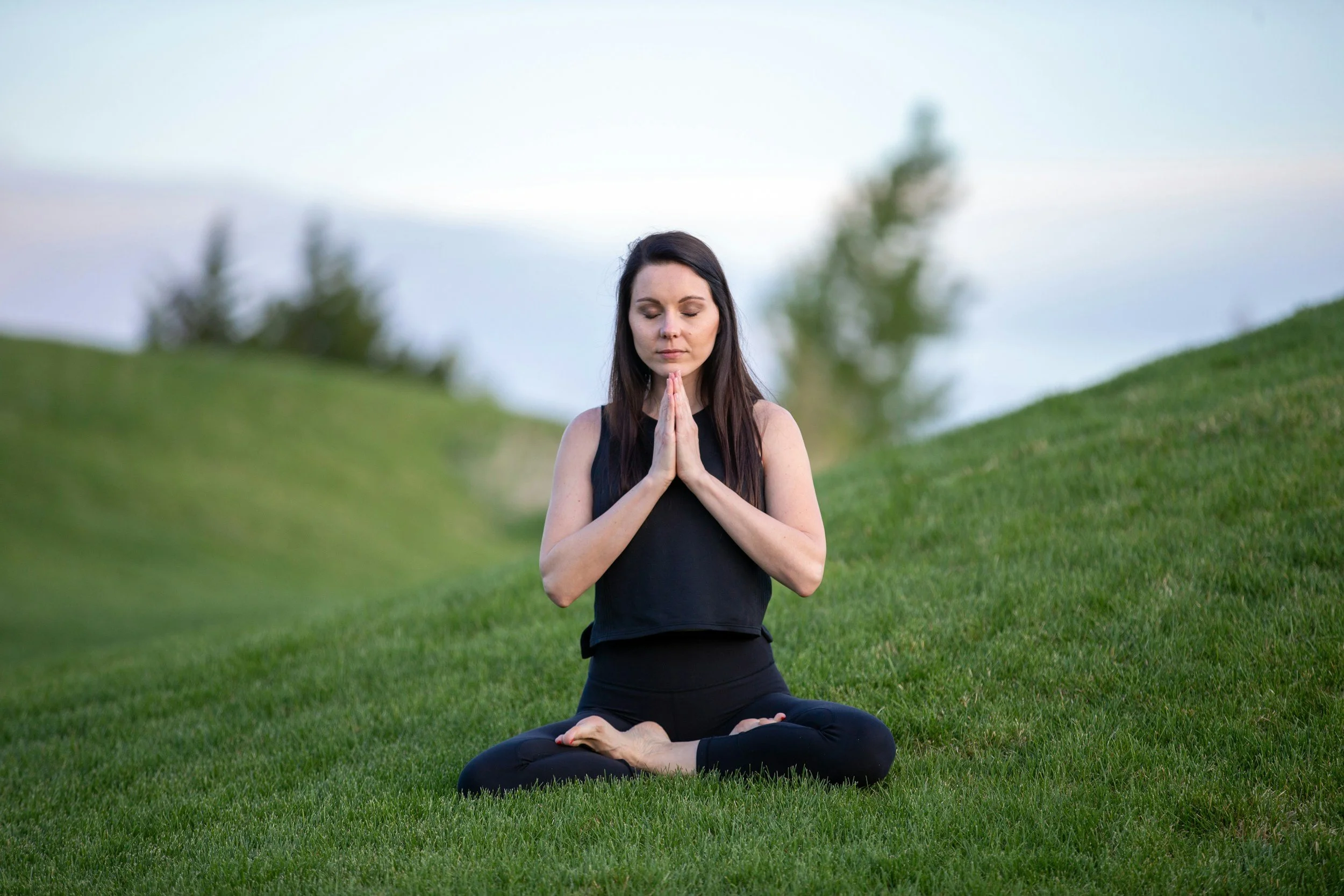
If you often feel stressed, anxious, or overwhelmed, you may have been advised by a friend or a healthcare provider to try meditation. Regular Meditation practice may help you reduce stress, improve sleep, and promote a greater sense of calm and emotional balance.
Meditation is simple; anyone can practice it anywhere, at no cost, and with no need for special equipment. You can meditate by joining a class or during your daily activities like walking, riding the bus, waiting in line, or even during a busy workday.
This article will give you an overview of meditation, its emotional and physical health benefits, and practical ways to make it a habit in your daily routine.
What Is Meditation?
Meditation is an ancient practice dating back thousands of years; its origin is in Eastern traditions. It was practiced to strengthen spiritual awareness and connection with the divine. While it is a historically religious practice, you don't have to be religious to practice meditation. Today, meditation is widely practiced by people of all backgrounds, regardless of their religious beliefs.
Meditation includes a variety of practices that connect the body and mind. It's becoming more popular as a form of mind-body complementary medicine. The goal of meditation is not necessarily to eliminate thoughts, but to observe them with awareness and without judgment. Through mental techniques, meditation can help quiet the mind and reduce stress.
Meditation is often thought of as a path for spiritual growth, self-awareness, and compassion, but it is also recognised for its benefits to overall health and well-being. Many people practice meditation to help promote emotional balance and focus. Some people find it helpful to enhance their connection to themselves and others.
Benefits of Meditation
Research suggests that meditation may improve emotional and physical health throughout the day. Meditation may also help you manage the symptoms associated with certain health conditions.
Emotional benefits
Meditation may help :
Improve mood.
Enhance focus and memory.
Support emotional regulation.
Promote deep relaxation.
Create a sense of inner peace.
Offer a new, healthier perspective on stressful situations.
Build resilience to stress.
Increase self-awareness.
Encourage present moment awareness.
Reduce negative thoughts and emotions.
Improve patience and non-reactivity.
Enhance creativity.
Foster compassion toward yourself and others.
Physical benefits
Meditation may also support physical health by:
Reducing resting blood pressure.
Lowering resting heart rate.
Improving sleep quality.
Can Meditation Help Manage Mental and Physical Health Conditions?
Research suggests that meditation may help reduce symptoms associated with certain mental and physical health conditions, particularly by reducing stress levels that may worsen symptoms.
It may support:
Depression and anxiety symptom management.
Reduction of high blood pressure.
Management of pain.
Recovery from substance use disorders by increasing awareness of cravings and triggers.
Posttraumatic stress disorder (PTSD) symptom management through gradual awareness of emotions and memories.
Emotional well-being in cancer patients, including stress, fatigue, and pain.
Eating disorders and weight management.
Despite all these health benefits of meditation, it should not replace professional medical care or treatment. Meditation is best used as a complementary practice alongside medical care and therapy. If you have a mental health condition, consult your healthcare provider before starting meditation, as certain conditions may be affected differently by meditation practice.
Meditation and Perimenopause
Research suggests that mindfulness meditation may help women during perimenopause by relieving symptoms of anxiety and depression, and improving sleep quality.
Types of Meditation
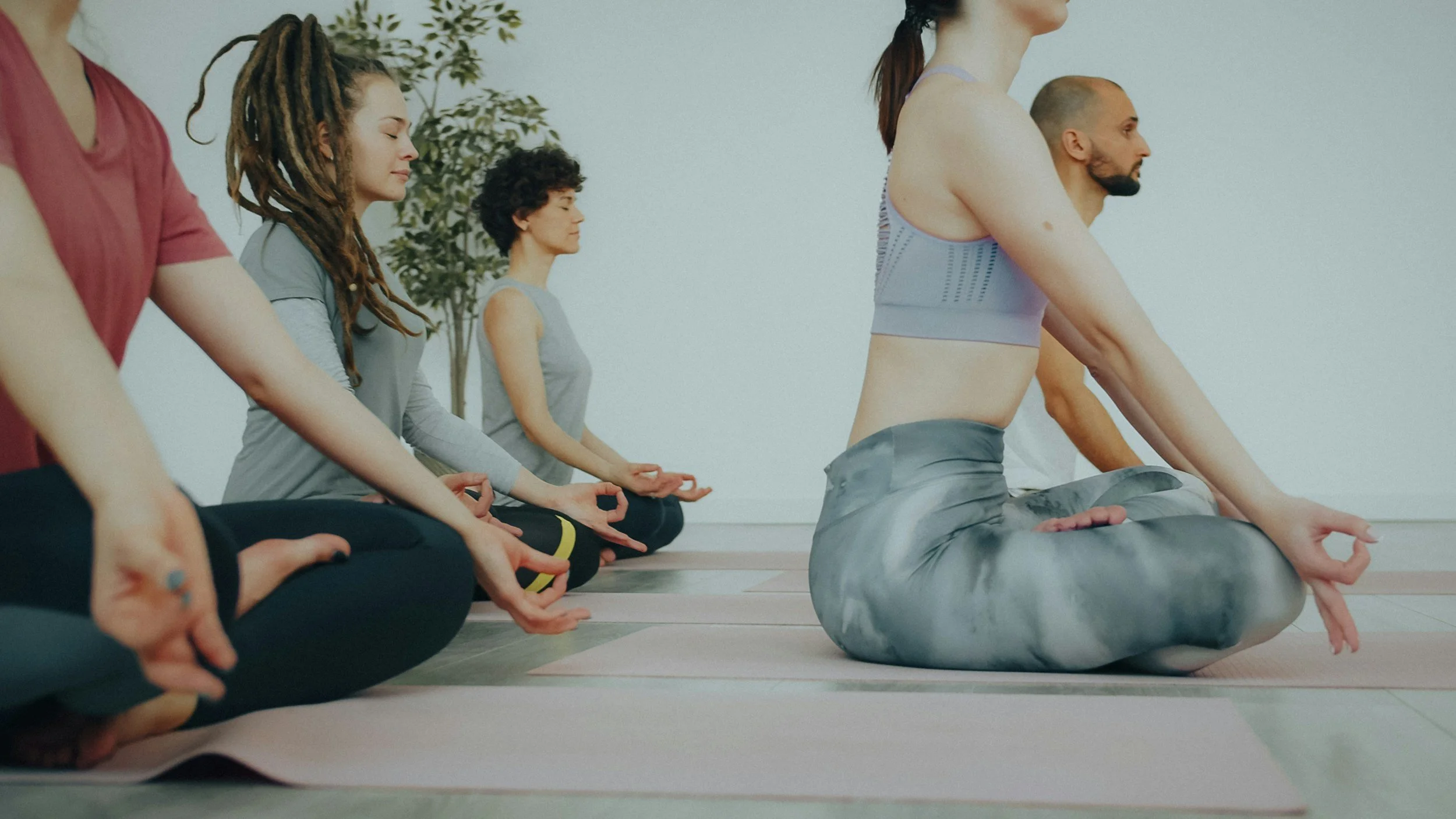
There are different forms and ways to practice meditation; each offers unique approaches to relaxation and awareness:
Guided meditation
It is also known as guided imagery or visualization. In this type of meditation, you create mental images of specific places or things to promote relaxation. Sessions are often led by a meditation instructor, using an app, or an audio recording.
Mantra meditation
In mantra meditation, you repeat a calming word or phrase to help focus the mind and reduce distracting thoughts. Examples include:
“I am safe”.
“I am enough”.
“Peace”.
“Calm”.
Mindfulness meditation
Mindfulness meditation focuses on being fully aware of the present moment. You may focus on your breath while observing your thoughts and emotions as they come and go naturally without judgment.
Qigong
Qigong is a traditional Chinese medicine practice. It involves a combination of meditation, movement, breathing, and relaxation exercises to maintain and restore balance and well-being.
Tai chi
Tai chi is a gentle form of Chinese martial arts that combines certain postures, slow movement, deep breathing, and mindful awareness.
Yoga
Yoga combines physical postures, controlled breathing, and meditation to improve body flexibility, relaxation, and mental clarity.
Deep breathing meditation
This practice focuses attention on breath by:
Breathing deeply and slowly.
Feeling and listening to your breath as you inhale and exhale slowly through your nose.
If your mind starts to wander, gently return your attention to your breath.
Body scan meditation
Body scan meditation involves focusing attention on different parts of the body by:
Noticing sensations in each body part.
Relaxing areas of tension.
Breathing deeply and slowly.
Prayer
Prayer is one of the oldest, best-known, and most widely practiced forms of meditation. It may be spoken or written, and is often connected to spiritual or religious traditions.
How to Start Practicing Meditation?
If you decide to try meditation, there are many ways to start. You may join a meditation class led by an instructor, use a meditation app, or practice independently at home. You can build the habit of meditating daily at certain times. Consistency is more important than duration. Even a few minutes of meditation each day may provide benefits over time. You can start by:
Doing your own research and learning about different meditation styles to find the one that suits you.
Setting a regular time for meditation in your daily routine.
Creating a calm, clean, and comfortable environment.
Approaching meditation with curiosity and without judgment. Thoughts will naturally arise, and that's completely normal.
Seek guidance from meditation instructors or healthcare providers if needed.
You do not need a perfect setting or complete inner peace to start practicing meditation. Many people successfully incorporate meditation into everyday life using guided apps, headphones, or short mindful breaks.
How to Meditate?
Start simply so that you can work through your routine and build your practice gradually:
Sit in a calm, comfortable place.
Close your eyes or soften your gaze.
Set a timer for 5- 10 minutes.
Relax your body and shoulders.
Focus your attention on your breathing.
Notice the movement of your torso expanding and contracting, and feel the sensation of breath inside your nostrils.
Notice when your mind wanders; just notice and gently return your attention to your breath.
End the session with kindness and self-reflection.
Common Challenges
Beginners often think they are bad at meditation and find it hard at the start because their minds wander. It is completely normal for the mind to wander during meditation, especially for beginners. The practice is not about perfection; it is about gently returning focus again and again.
How to Make Meditation a Habit?
Set meditation reminders throughout your day.
Refresh or change your reminders by using new notes for yourself, and add variety to keep them engaging.
Associate mindfulness with certain daily activities or environments, such as taking a deep breath when you answer phone calls, enter your workplace, or drink water.
Small, consistent practices can help meditation become a natural part of daily life.
How to Incorporate Meditation into Your Daily Life?
Meditation may seem complex, but it is actually simple and accessible to everyone. Meditation is not only a formal practice, but it is also a state of awareness that can be experienced throughout the day by staying present and attentive. You can practice meditation at home, at work, while walking, or even while eating. The key is to make it a regular practice to get the greatest benefits.
Meditation at home
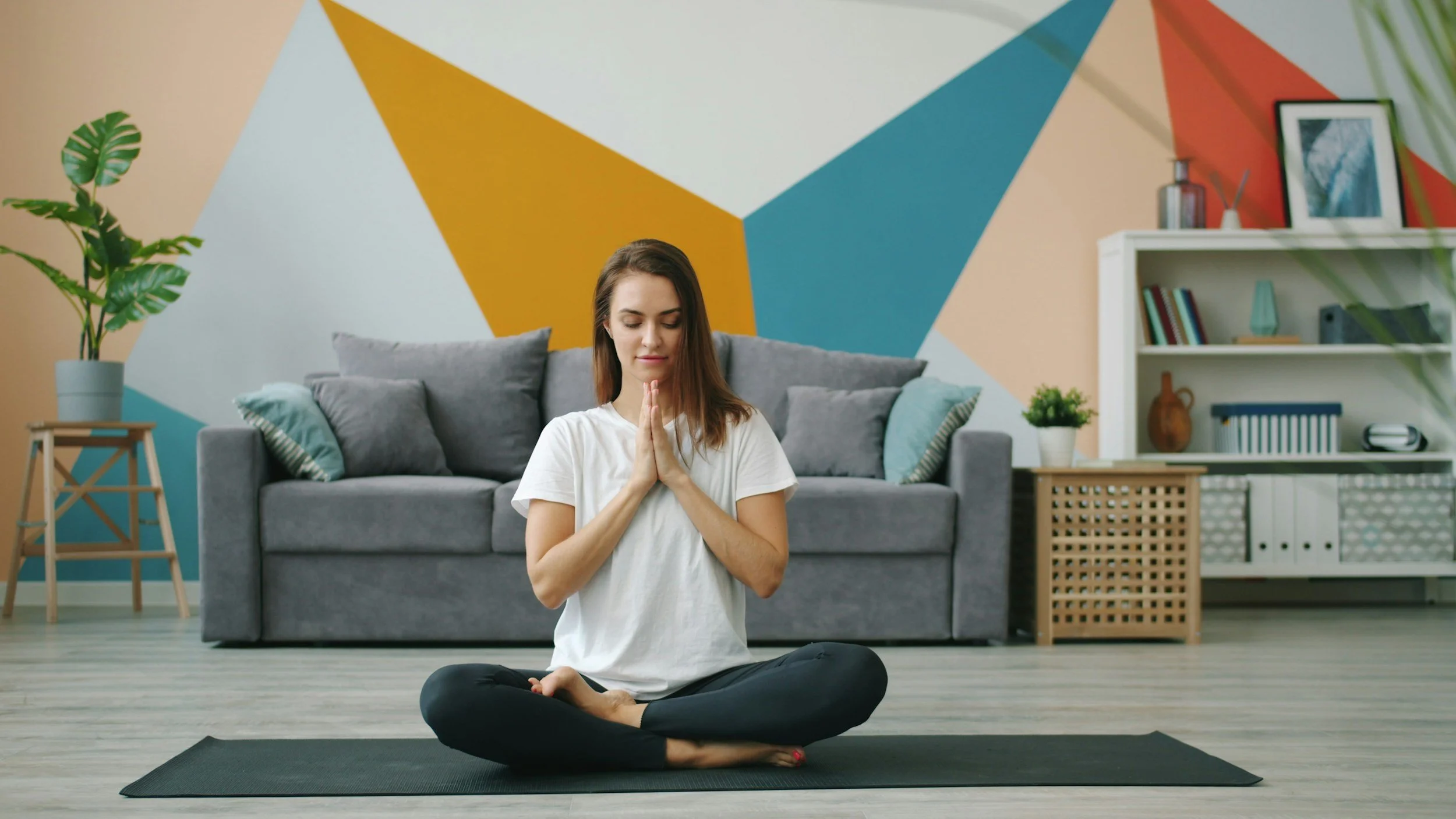
Choose the right time for meditation
Morning meditation is a wonderful way that may help you start your day feeling relaxed and focused, while evening meditation can help relieve the stress of the day and set you up for better sleep. Experiment to discover what works best for you.
Create a comfortable space
Create your own relaxing, quiet meditation space that might include:
A cushion or a comfortable chair.
Soft lighting.
Inspirational books.
A scented candle.
Fresh air.
Calming music.
Choose a comfortable posture
You can meditate sitting on the floor, in a chair, or lying down. Keep your shoulders relaxed, and your eyes closed or partially closed.
Start small
Begin with short sessions of 5-10 minutes daily, and gradually increase the duration as you become more comfortable and you feel the benefits.
Meditation at work

Some workplaces may encourage mindfulness practices by providing a certain time and space to practice meditation during work hours, to help reduce stress and improve teamwork, productivity, and communication.
You can meditate during your workday by :
Taking a few deep breaths before starting work.
Pausing briefly between meetings to relax your shoulders and recharge.
Drinking water mindfully and taking short breathing breaks.
Ending your workday by silencing notifications, closing applications, and taking a few calming breaths before going home. This will help you leave all tasks and responsibilities at the office before heading home.
Walking meditation

Meditation does not require sitting still. You can practice mindfulness while walking by:
Slowing your walking pace.
Focusing on the movement of your legs and feet.
Being aware of your surroundings.
Paying attention to your breathing.
Mindful eating

Mindful eating involves being fully present during meals. You can practice mindful eating by:
Eating slowly.
Removing distractions such as phones or television.
Paying attention to flavors, textures, and smells.
Noticing hunger and fullness cues.
Practicing gratitude for your meal.
Final Thoughts
In today’s fast-paced and stressful world, taking time to slow down and reconnect with ourselves is increasingly important. Meditation is a body-mind connection practice that can help improve focus, relaxation, emotional balance, and overall well-being.
Meditation may also help reduce stress and support the management of certain mental and physical health conditions. Meditation is accessible to everyone. There is no single “right” way to meditate; the practice is simply about becoming more present and aware.
Whether practiced at home, at work, while walking, or during daily activities, regular meditation may help cultivate greater calm, compassion, and peace over time.
As the Meditation teacher Sharon Salzberg said:
“One of my meditation teachers said that the most important moment in your meditation practice is the moment you sit down to do it. Because right then you’re saying to yourself that you believe in change, you believe in caring for yourself, and you’re making it real. You’re not just holding some value like mindfulness or compassion in the abstract, but really making it real.”
Sources
Cultivating Health. 10 ways meditation can improve your health.
The Augustinian Monastery. How can we integrate meditation into our daily lives?
Mayoclinic. Mindfulness might ease menopausal symptoms.
Mayoclinic.Meditation: A simple, fast way to reduce stress.
