Perimenopause, a Natural Life Transition: What Do You Need to Know?
Written by Rania Jaber, MPH, MSc in Global Health

Many women entering their perimenopausal transition find themselves confused without access to proper knowledge or support. If you are at this natural stage of your life, feeling uncertain, experiencing unexpected symptoms, and looking to make sense of your experiences, this article is for you. It provides you with a clear overview of perimenopause, answers your questions about this natural phase of life, and lets you make sense of what you are going through right now.
Please note that this article is intended for educational purposes only and doesn't replace medical advice. Every woman is different, and her experience of perimenopause is unique.
What Is Perimenopause?
Perimenopause is the transition period in a woman’s life when the body starts preparing for the cessation of her menstrual periods (menopause). Perimenopause is sometimes called the menopausal transition. During this period, hormonal fluctuations, mainly declining estrogen levels, might cause different physical and emotional symptoms.
Menopause is defined as the cessation of menstrual periods for 12 consecutive months.
At What Age Does Perimenopause Start?
Women start perimenopause at different ages. Most women will start the transition in their 40s, but it could be as early as their 30s, and as late as their 50s.
Risk Factors for Earlier Perimenopause
Perimenopause is a natural stage of life and could happen at different ages. Some women may get an early menopause due to certain factors, including:
Smoking may lead to one to two years of earlier menopause.
Family history of early menopause.
Cancer chemotherapy.
Hysterectomy: The surgical removal of all or a part of the uterus.
Other health conditions may contribute to earlier menopause, such as thyroid gland problems, autoimmune diseases, and rheumatoid arthritis.
The Main Symptoms During Perimenopause
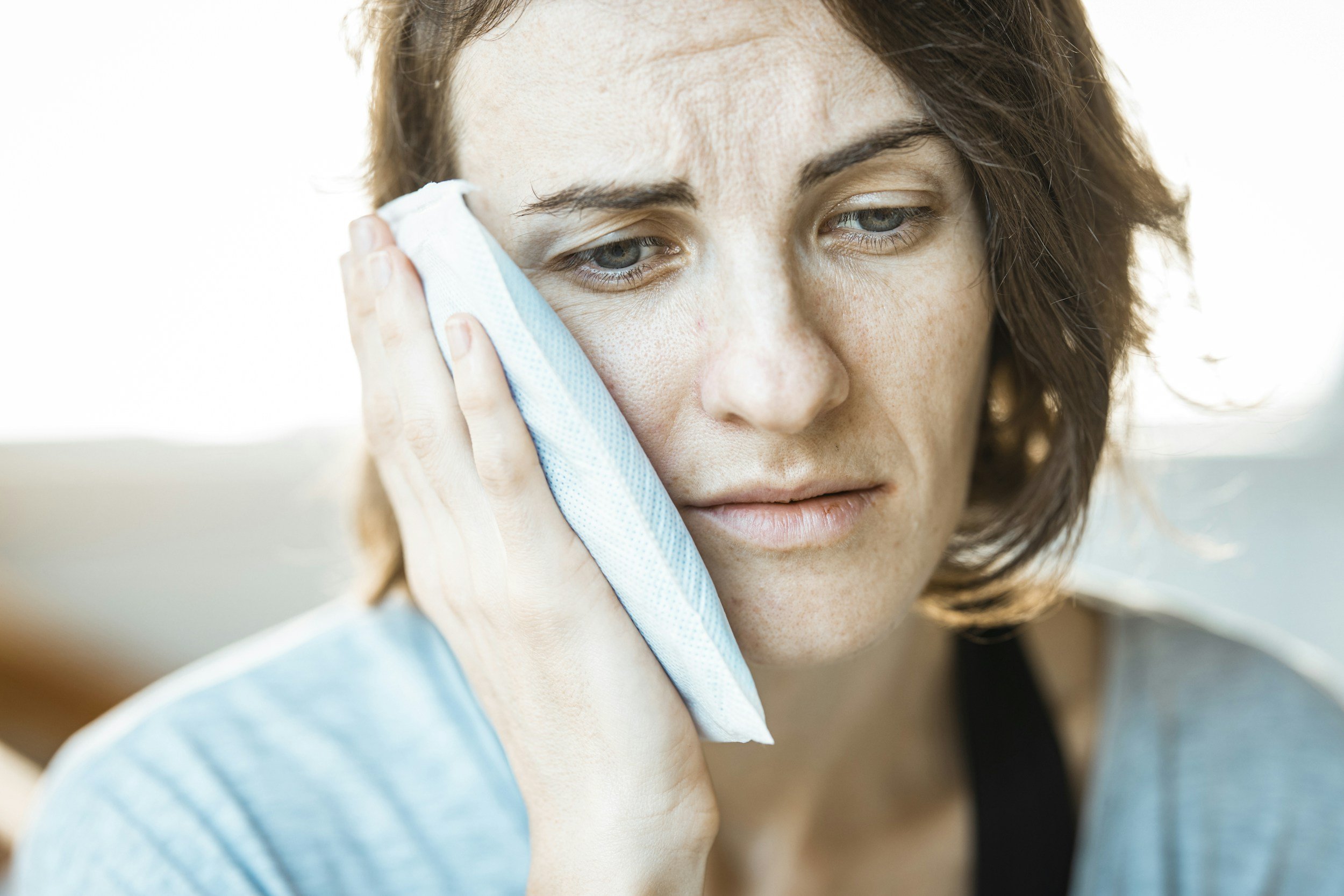
During perimenopause, your main female hormones, estrogen and progesterone, fluctuate and start to decline. The reduction of estrogen hormone levels may result in a range of physical and emotional symptoms; the common symptoms are:
Irregular periods
Changes in menstrual cycles are one of the early signs. Ovulation time becomes less predictable, which can lead to longer or shorter periods. Also, your period flow may be lighter or heavier. During early perimenopause, your cycle length may differ by 7 days or more. The difference may be as long as 60 days in the later stages. If you miss your period for a whole year, you are entering menopause.
Hot flashes and night sweats
Many women experience hot flashes during perimenopause with different durations and severity. It's clinically called vasomotor symptoms, which involve sudden feelings of intense heat in the upper body, primarily the face, neck, and chest. They typically last between one and five minutes. You may feel chilled after hot flashes because your body has lost heat.
These symptoms are linked to changes related to the brain’s ability to regulate body temperature. Some women may experience anxiety or a rapid heartbeat. Night sweats are hot flashes that happen during sleep and can disrupt sleep quality.
Sleep problems
Your sleep might become irregular due to hot flashes, night sweats, or other reasons. Sleep quality is also affected by hormonal changes that make it harder to get restful sleep.
Mood changes
Many women may experience mood swings, irritability, and an increased risk of depression during perimenopause. But be aware that depression and mood changes can be related to other health and life factors.
Brain fog
Around 40-60% of women notice some degree of forgetfulness, inability to focus, and distractibility during perimenopause. Women often describe it as brain fog. While frustrating, brain fog is very common, and the cognitive decline during perimenopause is mild; dementia in midlife is rare.
Vaginal and bladder problems (Genitourinary syndrome of menopause)
Your vaginal and vulvar tissues may become dry, thin, and less elastic due to declining estrogen hormone levels. This may lead to discomfort or pain during sexual activity or a pelvic exam. Urinary and vaginal infections may become more frequent.
Changes in sexual function
Due to hormonal changes during menopause, many women will experience changes in their sex drive. Some women notice a decrease in their sexual desire, while others have an increase, or little or no change.
Bone loss
Lower estrogen levels can accelerate bone loss, increasing the risk of osteoporosis and fractures.
Changes in cholesterol levels
Estrogen plays a role in regulating healthy cholesterol levels. Declining estrogen levels increase LDL (Low-Density Lipoprotein), the bad cholesterol. This may increase the risk of cardiovascular disease.
Treatment Options for Perimenopausal Symptoms
Menopause Hormonal Therapy (MHT)
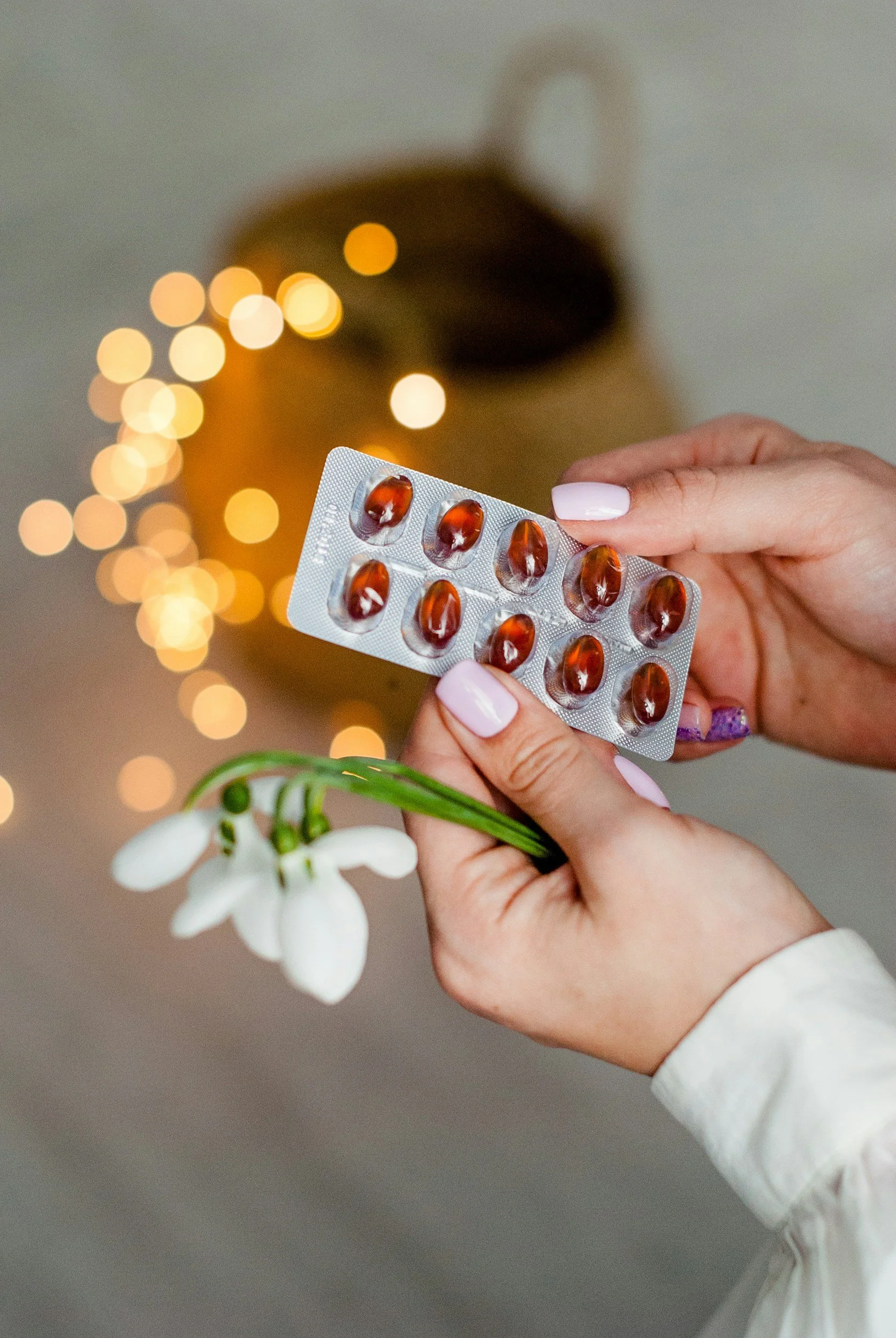
Menopause hormonal therapy has been proven to be effective for treating hot flashes and night sweats. If you feel that your symptoms are significantly affecting your quality of life, a health care provider can help determine if MHT is appropriate for you. If you are still getting your period, please note that hormonal therapy could lead to bleeding. Other options may include:
Combined hormonal contraceptive pills (containing estrogen and progesterone).
Levonorgestrel intrauterine device (IUD) combined with estrogen.
Your health care provider will help you explore the risks and benefits of each treatment depending on your own needs and health situation.
Non-hormonal therapy
Hormonal therapy may not be for everyone. Several prescription options are available for women who can't or prefer not to use hormonal therapy and have proven to be effective in treating symptoms:
Certain antidepressant drugs, such as Venlafaxine.
Gabapentin (medication for neurological disorders).
Clonidine (an antihypertensive drug).
Taking these medications should be only under medical supervision.
Complementary and alternative therapy
Natural remedies include herbs, supplements, and homeopathic remedies. Examples of natural remedies that have been used to ease symptoms:
Phytoestrogens are found in soy products.
St. John’s Wort.
Black cohosh.
Flaxseed.
Dong quai.
Ginseng.
Evening primrose oil.
Wild yam.
Ginkgo.
These natural remedies are widely used, with evidence supporting their effectiveness being mixed and limited. Natural doesn't always mean safe; many natural products have side effects. They are considered pharmaceutical, so it is important to consult a health care provider before taking any supplements.
What Lifestyle Changes Can Ease the Symptoms?

It's important to take care of yourself, both mentally and physically, during this natural transition. Adopting a healthy lifestyle can make a meaningful difference in managing your symptoms. Recommended lifestyle changes include:
Eating a balanced diet rich in fiber and protein.
Engaging in regular physical activity.
Practicing stress-reducing activities such as yoga and meditation.
Limiting caffeine, especially in the evening.
Maintaining a regular sleep schedule and bedtime routine.
Dressing in layers and choosing breathable fabrics.
Keeping your sleep environment cool (e.g., a fan beside your bed).
Tracking symptoms in a journal.
Staying hydrated.
Quitting smoking.
Limiting alcohol intake.
Some women also find relief with acupuncture, although results may vary.
Should I Continue Using Contraception During Perimenopause?
Although fertility declines during perimenopause, pregnancy is still possible as long as you are having periods. Contraception is recommended until menopause is confirmed.
In her book The Menopause Manifesto, Dr. Jean Gunter explained that the guidelines for stopping contraception depend on the final menstrual period and age. She provided the following general guidance:
Under age 50: Continue contraception for 2 years after your last menstrual period.
Age 50 and older: Continue for 1 year after your last period.
When to Seek Healthcare?
While perimenopause is a natural transition, you should consult a healthcare provider if you experience:
Heavy menstrual bleeding.
Bleeding lasting longer than 7 days.
Periods occurring less than 21 days apart.
Bleeding between periods.
Bleeding after 12 months without periods.
These symptoms may indicate other underlying conditions that require evaluation.
Key Takeaways
Perimenopause is a natural transition before menopause.
Symptoms vary widely and may include irregular periods, hot flashes, and mood changes.
Hormonal and non-hormonal treatments are available.
Lifestyle changes can significantly improve the quality of life.
Seek medical advice if symptoms are severe or unusual.
Final Thoughts
Perimenopause is a natural stage of life that can bring both physical and emotional changes. Understanding what’s happening in your body can help you navigate this transition with confidence. If your symptoms are affecting your daily life, don’t hesitate to seek support. There are many effective strategies to help you stay healthy and feel your best.
Sources
The Menopause Society. The Menopause Topics.Perimenopause.
The Menopause Manifesto: Own Your Health with Facts and Feminism, written by Dr. Jen Gunter.
