Bloating During Perimenopause: What Are the Causes, and How to Manage Your Symptoms?
Written by: Rania Jaber, MPH, MSc in Global Health.
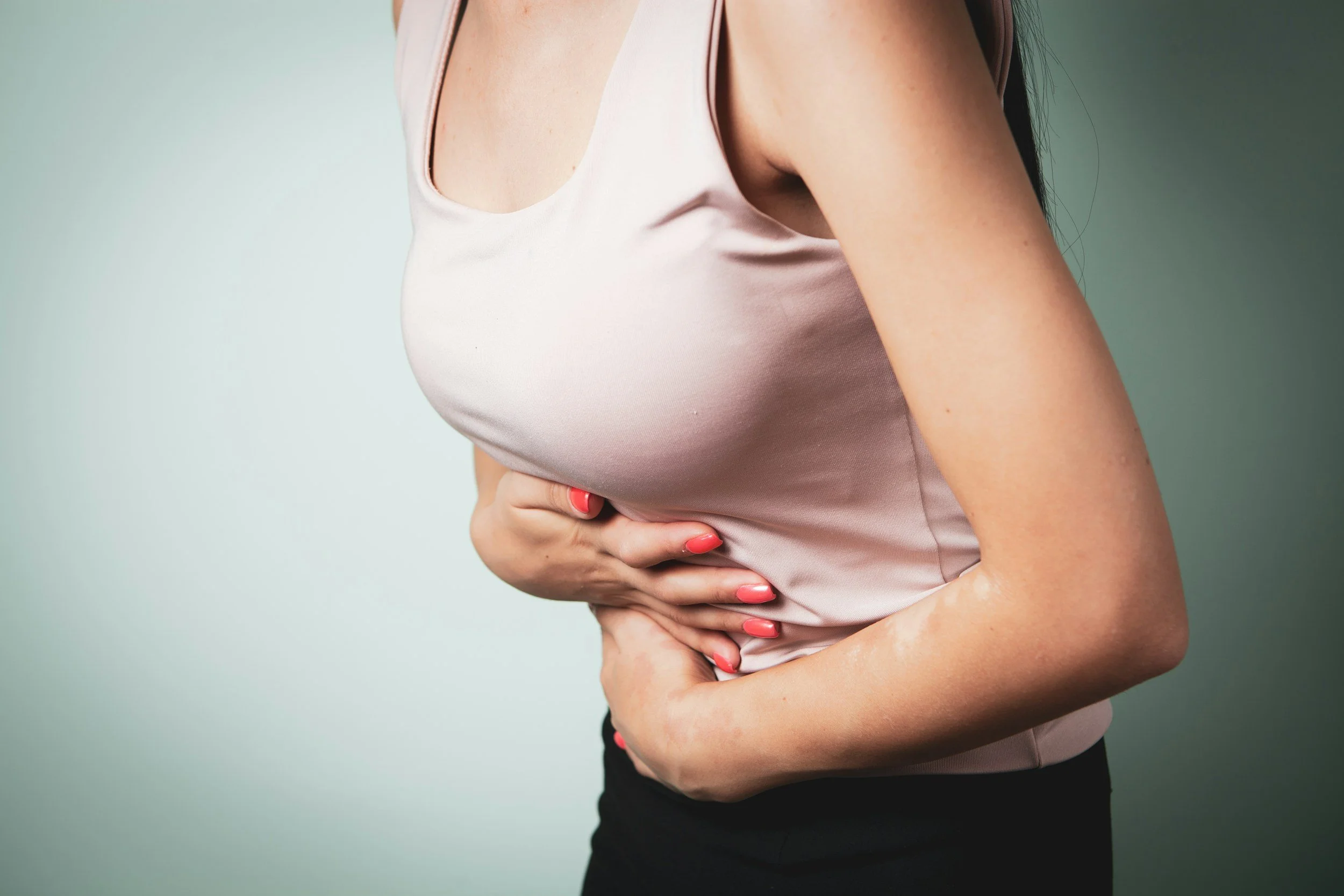
Are you experiencing bloating during perimenopause? You are not alone. It's very common for women to have bloating during their menopausal transition.
This article will explore the causes of bloating during perimenopause and what you can do to relieve these symptoms.
Please note that this content is for educational purposes only and doesn't replace medical advice.
Is Bloating One of the Perimenopausal Symptoms?
Bloating is a very common symptom of perimenopause. Research suggests that nearly 8 out of 10 women experience it during this transition. Bloating is temporary and fluctuates throughout the day.
A recent research study in the UK presented at the 2025 Menopause Society meeting found a high prevalence of digestive symptoms such as bloating, constipation, and acid reflux among women during perimenopause and menopause. A high percentage of them did not seek medical help or receive adequate care. These digestive symptoms are often dismissed.
These findings highlight the need for more clinical awareness and support strategies to improve quality of life during menopause.
What Is Bloating?
Bloating is the feeling of abdominal pressure, tightness, and fullness. It is usually caused by the gut's excess gas or fluids. Sometimes it might cause swelling accompanied by weight gain.
Many women during perimenopause notice the following symptoms:
Feeling extremely full.
Feeling tightness or pressure in their belly.
Having a swollen and bigger belly than usual.
Abdominal discomfort or pain.
Nausea.
Upper or lower abdominal bloating.
Causes of Bloating During Perimenopause
Perimenopause is the transitional phase leading to menopause, when hormone levels, mainly estrogen and progesterone, fluctuate. These changes affect digestion in several ways, leading to digestive symptoms. Hormonal fluctuations are more common during perimenopause and early menopause, while the postmenopausal years have fewer digestive symptoms related to hormones and may be related to other lifestyle habits.
There are two main causes of bloating during this life stage:
Hormonal causes
Fluctuations in estrogen and progesterone levels
Estrogen and progesterone regulate digestion, especially gastric motility, which is how quickly food moves through your stomach. Progesterone usually relaxes the smooth muscle of the intestine, slowing the movement of food. Fluctuations in these hormones slow digestion and cause bloating.
Changes in the gut microbiome
Declining estrogen may reduce the diversity of beneficial gut bacteria, leading to indigestion and bloating.
Increased cortisol (stress hormone)
Stress is common during menopause, dealing with symptoms such as hot flashes, sweaty nights, irregular sleep, and mood changes. This can disrupt digestion and contribute to bloating.
Water retention
The hormonal fluctuations may cause a water imbalance in the body. The body holds more sodium and water, resulting in body swelling and a bloated belly.
Non-hormonal causes

Lifestyle habits that can play a role in digestive bloating:
Diet: Eating highly processed food or gas-producing foods.
Lack of movement and exercise.
High stress levels.
Swallowing excess air (eating quickly or chewing gum).
Underlying digestive conditions.
Medications that May Worsen Bloating
Some medications prescribed to manage perimenopausal symptoms can temporarily contribute to bloating. including:
Hormone replacement therapy (HRT), especially in the first few months, until the body gets adjusted.
Hormonal birth control may cause water retention and slow digestion.
Some antidepressants may affect gut motility.
Calcium supplements, if not used properly.
How to Relieve or Prevent Bloating?
Perimenopausal bloating could be frustrating, uncomfortable, and sometimes painful. The good news is that there are ways to improve your symptoms:
Immediate relief strategies

Massage your belly gently to help release trapped gas.
Eat light, easy-to-digest foods.
Use a heating pad to relax abdominal muscles.
Try natural remedies like ginger and peppermint.
Lifestyle Strategies for Long-term Management
Eat a healthy diet
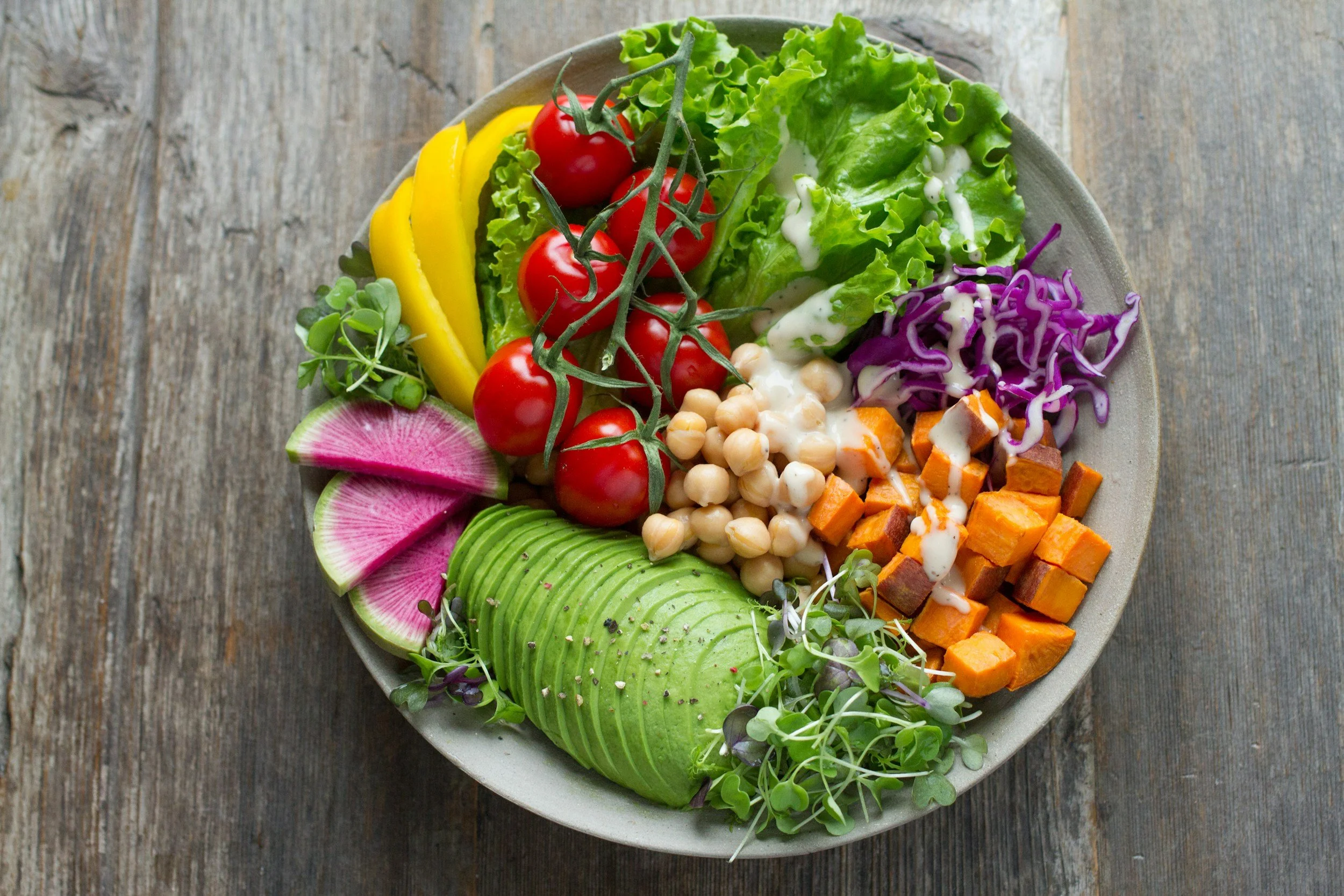
Focus on whole foods: Eat fruits and vegetables, lean protein, and whole grains.
Reduce gas-producing foods, such as broccoli, cauliflower, cabbage, and beans.
Add bloat-fighting foods such as cucumber, ginger, asparagus, bananas, fennel, yogurt, papaya, and pineapple.
Limit salt intake; high sodium may cause water retention and bloating. Avoid highly processed foods rich in sodium.
Stay hydrated
Drink enough water throughout the day.
Limit sugary drinks and caffeine.
Avoid alcohol, as it may affect the body's water balance.
Track your triggers
Keep a food and symptom diary after meals to identify patterns and avoid foods that worsen your symptoms.
Eat probiotic-rich food
Probiotics are beneficial bacteria that support healthy digestion:
Eat probiotic-rich food such as yogurt, kefir, or kimchi.
Consider taking probiotic supplements, only after consulting your healthcare provider.
Manage stress

High levels of stress will cause digestive disturbance and bloating. There are many simple ways to reduce stress, such as:
Practice yoga, meditation, and mindfulness.
Prioritize restful sleep.
Engage in relaxing and fun activities you enjoy.
Modify your eating habits
Chew slowly, and sit up straight.
Have smaller, more frequent meals.
Cut down on gum and carbonated drinks.
Stay active
Regular body movement will help stimulate digestion and reduce bloating.
Medications That May Help
Under medical guidance, options may include:
Over-the-counter anti-bloating medication.
Diuretics (water-reducing pills) can help reduce water retention.
Hormonal contraceptive pills. They can stabilize your hormones and reduce your premenstrual symptoms if you still get your period.
When Will Perimenopausal Bloating Stop?
Bloating is most common during the 4-7 years of perimenopause. For many women, it will start to ease after they officially hit menopause, which means having 12 consecutive months without a period. The hormonal fluctuations will calm down and become more stable, resulting in better gut mobility and reduced bloating.
However, bloating may persist in some cases due to:
Taking hormonal replacement therapy (HRT).
Food sensitivities.
Underlying digestive conditions.
When to Seek Medical Advice?
The following symptoms need medical attention:
If you experience prolonged, painful bloating.
If the bloating persists for weeks.
Bloody stool.
Persistent Constipation or diarrhea.
Unexplained weight loss.
Your symptoms are affecting your daily activities.
Having a family history of ovarian cancer (bloating can be a symptom, but it's rare).
Yellowing of the skin or eyes (could indicate a liver issue).
Final Thoughts
Bloating is a common but often overlooked symptom of perimenopause. It is driven by both hormonal changes and lifestyle factors.
Hormonal fluctuations in estrogen and progesterone levels may result in changes in the gut microbiome, slowed digestion, and water retention. Certain daily habits, like poor diet, sedentary lifestyle, and stress, may also contribute to bloating. Understanding these changes is the crucial first step toward feeling better and improving the quality of life during your menopausal transition.
The good news is that with the right healthy lifestyle habits, mainly diet, stress management, and regular physical activity, symptoms can significantly improve.
Sources
Healthline: What to Know About Bloating and Menopause.
Fertifa. Why does menopausal bloating happen, and how to best manage it.
MEDICAL NEWS TODAY. Causes and treatment for menopause bloating.
The Menopause Society. Digestive Health Issues More Common During Perimenopause and Menopause.
